
The U.S. government has released another batch of UFO-related records, adding new videos, documents, images, and witness accounts to a disclosure process that began in May.
The latest batch does not settle the UFO debate. Instead, it adds more cases to the public record, including military sensor footage, historical reports, and witness accounts that remain difficult to assess from the outside. The files raise questions, but they still do not provide confirmed evidence of alien technology.
A fifth release adds 41 UAP files
The fifth release came out on August 7 under the Presidential Unsealing and Reporting System for UAP Encounters, or PURSUE. It followed earlier releases on May 8, May 22, June 12, and July 10. The official U.S. release page says the files are being published on a rolling basis as agencies find, review, and declassify more material.
The August 7 release included 41 files from agencies including the Pentagon, FBI, CIA, State Department, and the Executive Office of the President. The records span from 1950 to 2026 and include documents, images, and videos.
One of the most striking accounts involves a former military pilot who reported seeing a huge triangular object over Bagram Airfield in Afghanistan in 2002. According to the report, the object was so large that it appeared to block out the stars.
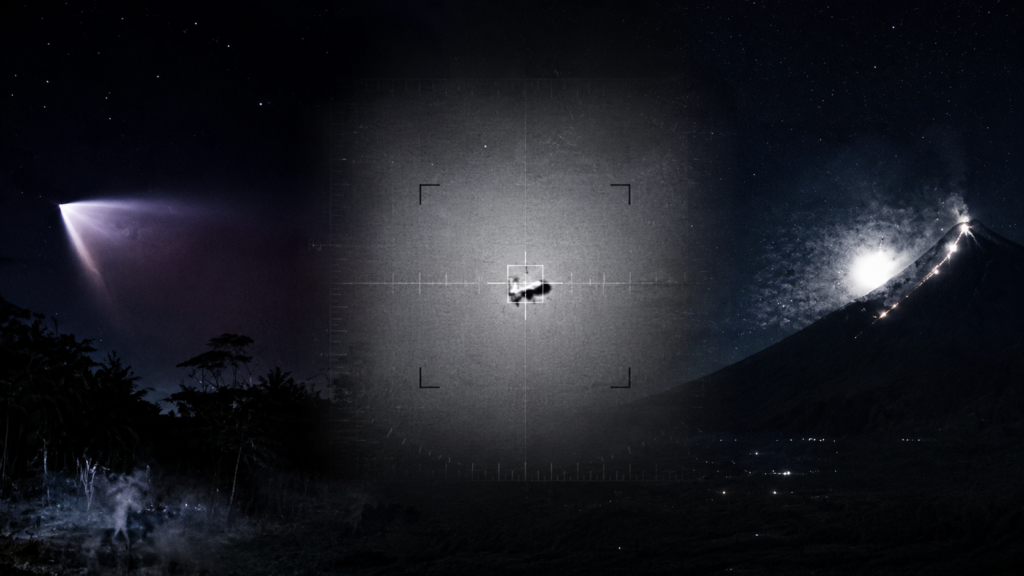
The release also included six videos tied to a September 2021 encounter over the Gulf of Oman involving U.S. Special Operations forces on an AC-130J gunship. CBS reported that the clips were cellphone recordings of screens inside the aircraft, showing objects picked up by infrared and other sensors during the incident.
An accompanying intelligence report described roughly 25 instances of UAPs during a live-fire exercise. The objects were described as “cold orbs” that moved in formations and maneuvered aggressively. The case reportedly remained unresolved by the All-domain Anomaly Resolution Office, or AARO.
More files, but still no final answer
The fifth release followed a June 12 tranche that included 72 files from agencies including the FBI, CIA, and Pentagon. Reuters reported that some of those files focused on glowing orbs in the northeastern United States, including red orbs, white orbs at higher altitudes, and a plasma-like object seen over a pond.
The July 10 release added another 40 files. CBS reported that the fourth batch included 14 documents, 19 videos, four audio files, and three images from agencies including the Pentagon, NASA, CIA, FBI, and Energy Department.
The official PURSUE page lists the June release as 826 MB of documents and 4.6 GB of videos. The July release included 227 MB of documents and 1.4 GB of videos.
This growing volume of material shows that the U.S. government has preserved many reports involving unexplained aerial events. But it also shows the limits of disclosure. A blurry video, a redacted witness account, or an old government memo can raise questions without proving what was seen.
Disclosure is becoming more formal
The file releases are also becoming part of a broader policy process. On July 31, the Office of the Director of National Intelligence issued preliminary guidance intended to encourage disclosure of UAP-related information, according to legal analysis from DLA Piper.
That does not mean every file will be released without restrictions. National security, intelligence sources, and privacy rules still matter. But the guidance suggests that UAP disclosure is moving from political promise into government procedure.
That shift began earlier this year after U.S. President Donald Trump directed agencies to identify and release records related to UFOs, UAPs, possible extraterrestrial life, and related topics. In April, Trump said the review had uncovered “interesting” documents and said the first releases would begin soon.
Since then, five batches have been released.