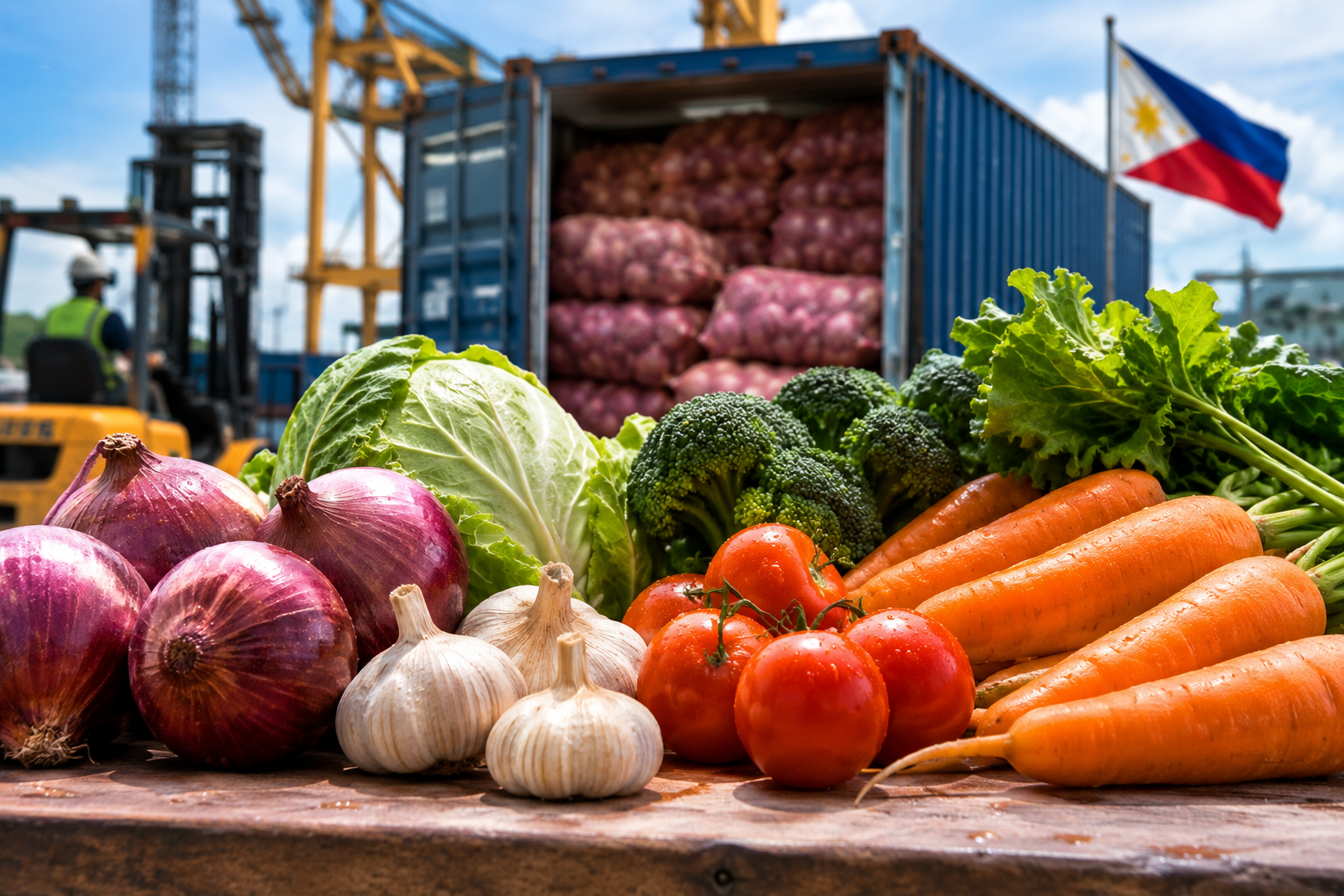
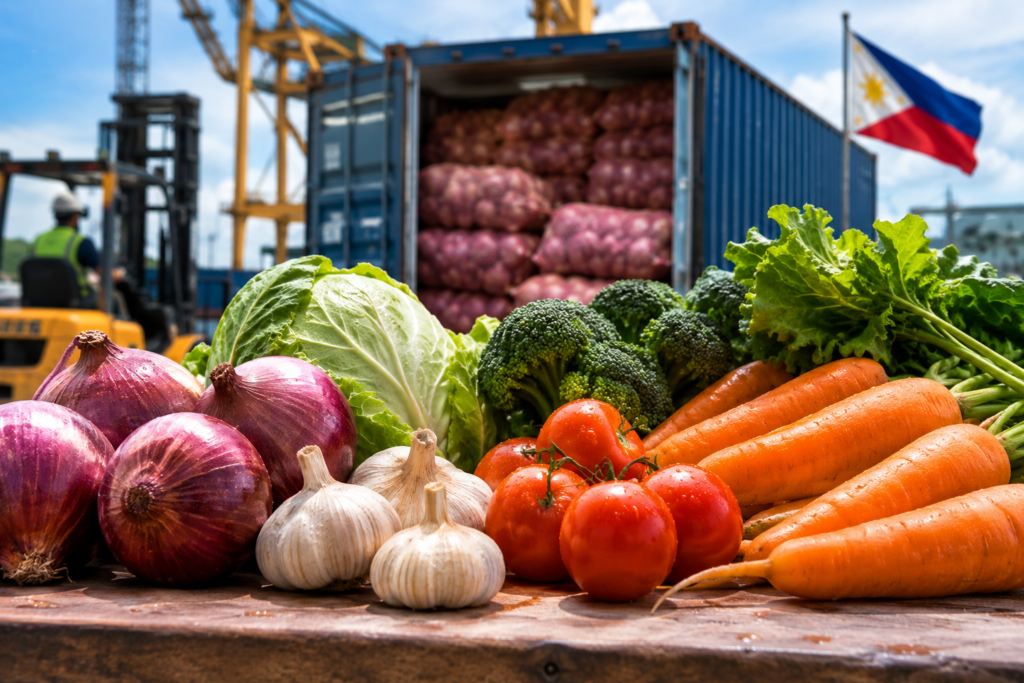
The Philippines is intensifying its crackdown on agricultural smuggling, with Chinese vegetables among the products attracting scrutiny. Recent investigations and earlier laboratory findings have raised concerns about food safety, pesticide contamination, and unfair competition for Filipino farmers.
On October 18, the Department of Agriculture (DA) ordered an investigation into suspected smuggling of carrots, broccoli, and other highland vegetables. Officials discovered imported broccoli in Baguio markets, including boxes labeled as products of China.
Four days later, government figures revealed that authorities had seized ₱11.6 billion worth of smuggled agricultural products in 67 operations between February 2025 and July 2026. The total covered agricultural smuggling generally, not exclusively shipments from China.
Chinese vegetables found with pesticides and heavy metals
Some of the most serious concerns emerged from laboratory testing of confiscated vegetables. In September 2024, the DA reported that vegetables seized from a Navotas warehouse contained pesticide residues, heavy metals, and harmful microorganisms. The shipment included onions, carrots, and tomatoes imported without the required clearances. Tests identified organophosphates, organochlorines, and pyrethroids, alongside cadmium, lead, and bacteria including E. coli, Listeria, and Salmonella. The Bureau of Plant Industry (BPI) concluded that the tested produce failed Philippine food-safety requirements.
Another case followed in May 2025. Authorities discovered approximately 34 metric tons of smuggled Chinese white onions in Pampanga, falsely declared as processed chicken products. Laboratory tests detected Salmonella and heavy metals, prompting warnings about potential consumer health risks. However, the Philippine investigations did not establish that unsafe fertilizer use caused the contamination found in the Chinese vegetables.
Philippine import regulations and inspections
Under Philippine import regulations, commercial shipments of regulated agricultural products must obtain a Sanitary and Phytosanitary Import Clearance (SPSIC) from the Bureau of Plant Industry before importation.
Importers must also provide a phytosanitary certificate issued by the plant protection authority of the exporting country. This document certifies that the shipment meets applicable plant-health requirements, including those intended to prevent the introduction of dangerous agricultural pests and diseases.
Upon arrival, BPI quarantine officers examine import documentation and inspect shipments. Samples may be collected for laboratory analysis. The BPI’s Plant Product Safety Services Division conducts or coordinates food-safety testing, including examinations for pesticide residues, microbiological contamination, and other chemical hazards.
How smugglers bypass food-safety safeguards
One method involves deliberately declaring agricultural shipments as unrelated products. In October 2025, the Bureau of Customs intercepted more than 53 metric tons of fresh carrots from China at the Port of Manila. The shipment, valued at approximately ₱13.2 million, had been declared as bathroom fixtures, napkins, and storage boxes.
Another case involved thousands of sacks of onions and boxes of carrots falsely declared as chicken products. In September 2026, the Bureau of Customs filed six criminal complaints against individuals allegedly involved in those shipments, including importer representatives, a customs broker, and customs personnel. According to the agency, the shipments lacked the necessary sanitary and phytosanitary import clearances.
Such misdeclarations can conceal agricultural products from the regulatory procedures they should undergo. The problem is not simply unpaid customs duties. When vegetables enter through fraudulent channels, authorities may lose the opportunity to check for pests, contamination, and other food-safety risks.
Agricultural smuggling has economic consequences beyond public health
Illegal imports can undermine legitimate traders and compete unfairly with Filipino farmers, who must comply with domestic regulations and production costs. The government has strengthened enforcement through the Anti-Agricultural Economic Sabotage Act, or Republic Act No. 12022, which was enacted in 2024.
The law targets large-scale agricultural smuggling, including fraudulent import declarations and the use of false permits. Qualifying violations involving smuggled agricultural products worth at least ₱10 million can be treated as economic sabotage.
Recent seizures, investigations, and criminal complaints demonstrate the government’s efforts to enforce these protections.
Another reason to support local agriculture
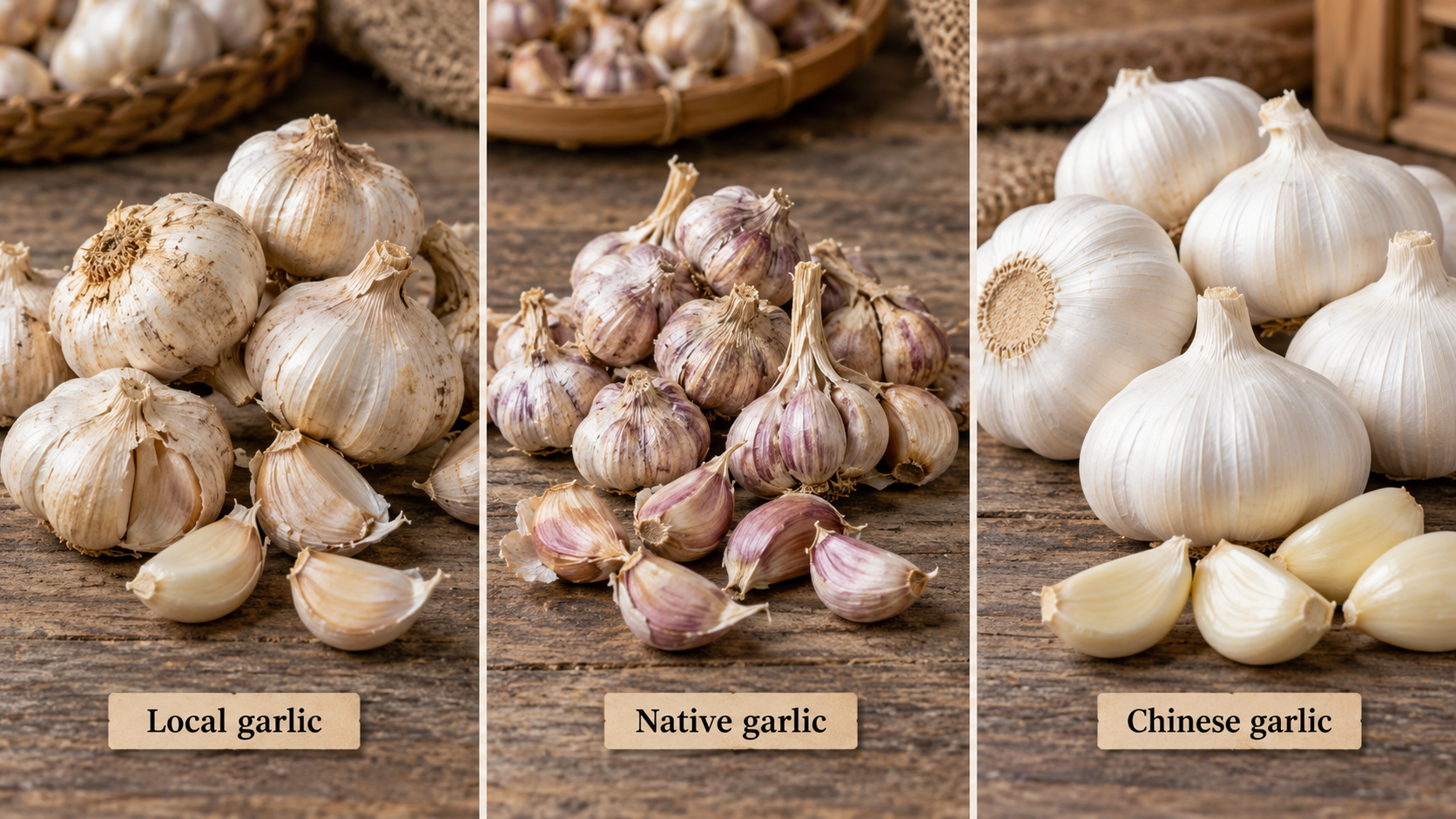
Philippine-grown products can provide advantages in freshness, flavor, and traceability, while supporting Filipino farmers and reducing dependence on imports. Native Philippine garlic, for example, is valued for its distinctive aroma and strong flavor, despite its smaller size compared with many Chinese imports. Choosing local produce can therefore benefit both consumers and the Philippine economy.
Ensuring that imported food is safe and supporting Philippine farmers should be complementary goals, not competing priorities.