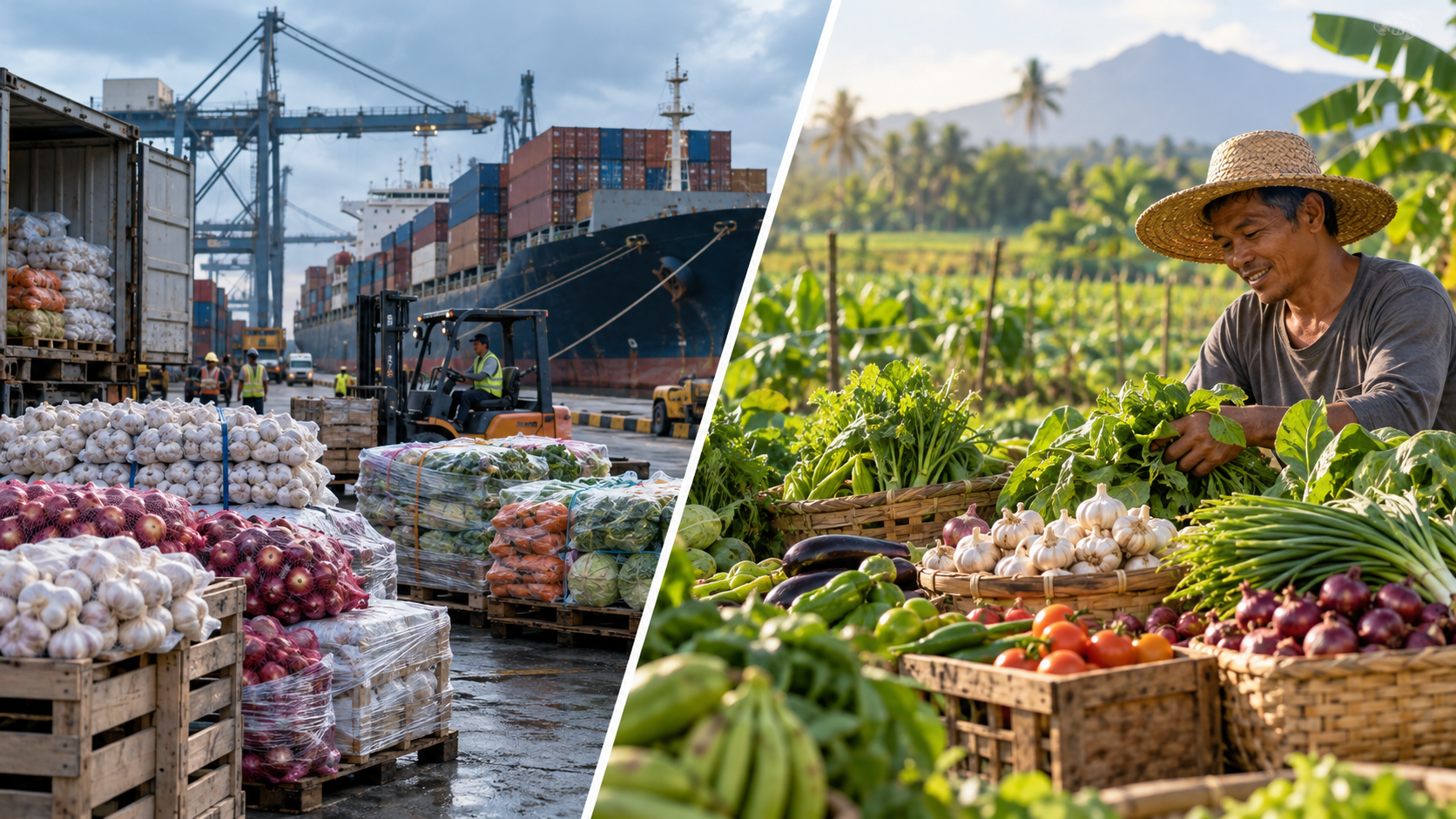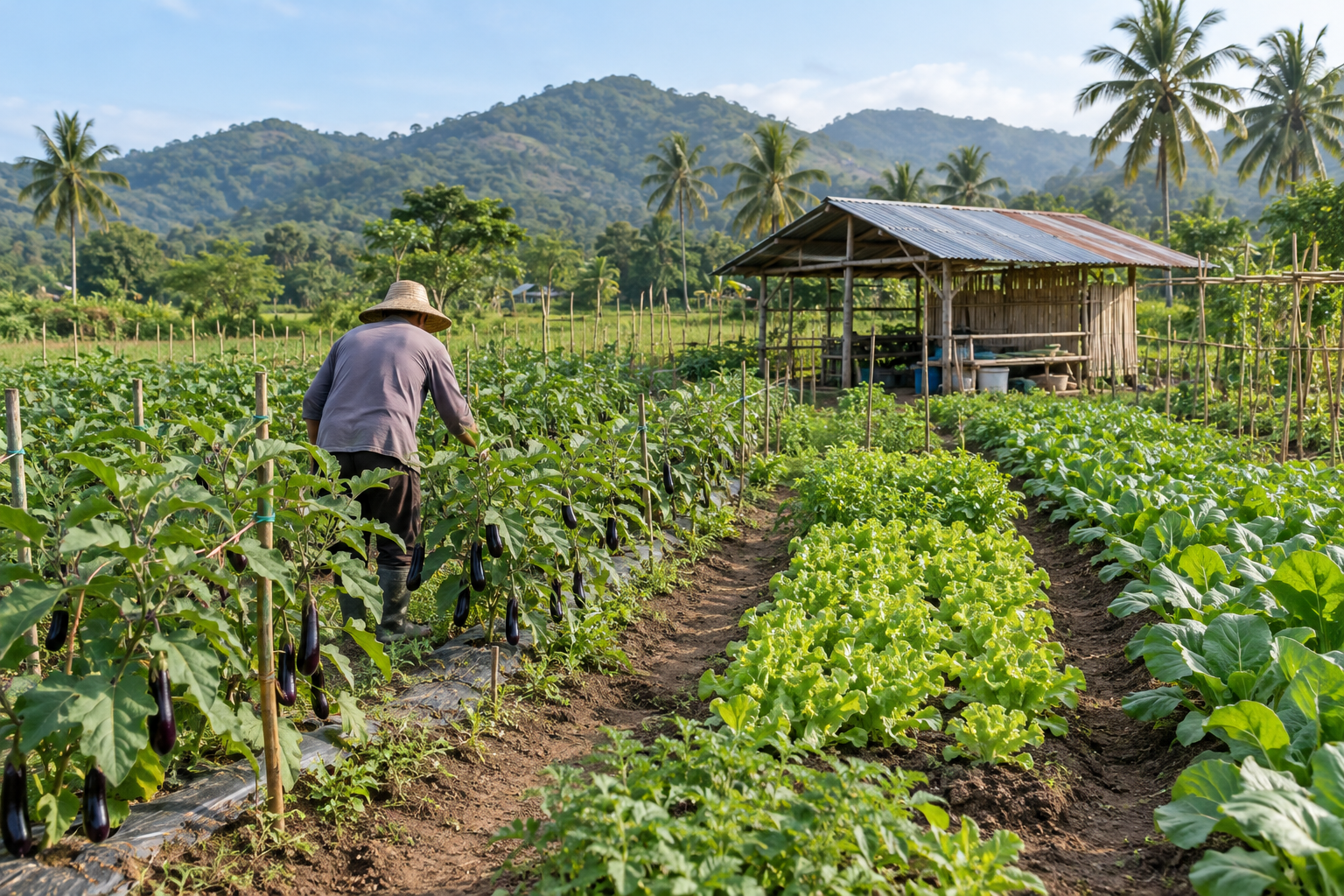
The Philippines has enormous agricultural potential, yet it continues to spend billions of dollars importing food and other agricultural products. Strengthening Philippine agribusiness could help change that, creating jobs, supporting Filipino farmers, and offering consumers fresher, potentially higher-quality local alternatives.
The recently launched Balik Agri-OFW Agribusiness and Investment Reintegration Program offers one example of efforts to encourage agricultural investment. Beyond helping returning overseas workers establish businesses, such initiatives could also strengthen domestic food production, create economic opportunities, and reduce dependence on foreign suppliers.
The economic cost of agricultural import dependence
According to the Philippine Statistics Authority, the country imported $20.37 billion worth of agricultural goods in 2025, while exports totaled $9.25 billion. This left an agricultural trade deficit of approximately $11.12 billion.
Imports remain essential for products that domestic agriculture cannot supply in sufficient quantities or at competitive prices. However, dependence on foreign suppliers can expose consumers and businesses to international price fluctuations, shipping disruptions, and changing trade policies.
The economic benefits of investing in local agriculture
Expanding domestic agricultural production could create opportunities far beyond the farm. Food processing, packaging, transportation, cold storage, and distribution all generate economic activity. More successful farms could support additional businesses, strengthen rural communities, and provide employment outside major cities.
Returning OFWs could contribute capital, technical skills, and entrepreneurial experience. Meanwhile, agricultural cooperatives and small enterprises could help more Filipino producers reach supermarkets and other major buyers.
Over time, improved productivity, storage, and distribution could also make local products more affordable. However, lower prices would depend on reducing production costs and improving supply-chain efficiency.
Why buying local can benefit consumers and the environment
Supporting Philippine agriculture is not only about jobs and economic security. Locally grown food can also offer advantages in freshness, flavor, and quality.
Produce harvested closer to consumers may reach markets sooner, spending less time in transportation and storage. Shorter, efficient supply chains can also reduce certain transport-related emissions and food losses, although local production does not automatically guarantee a smaller carbon footprint.
Philippine garlic: Small in size, big on flavor
China is an important supplier of certain agricultural products, including garlic, onions, and vegetables. Some of these crops are also grown in the Philippines, raising questions about opportunities to expand domestic production.
Garlic offers a striking example. In April 2025, the Department of Agriculture estimated that imports accounted for approximately 95% of Philippine garlic consumption.
A 2021 study by University of the Philippines researchers identified differences in flavor-related compounds between native Philippine garlic and imported varieties. The findings suggest that garlic grown in regions such as Ilocos and Batanes can offer a more intense flavor and aroma, despite its smaller bulbs.
In other words, imported products are not necessarily superior simply because they are larger or cheaper.