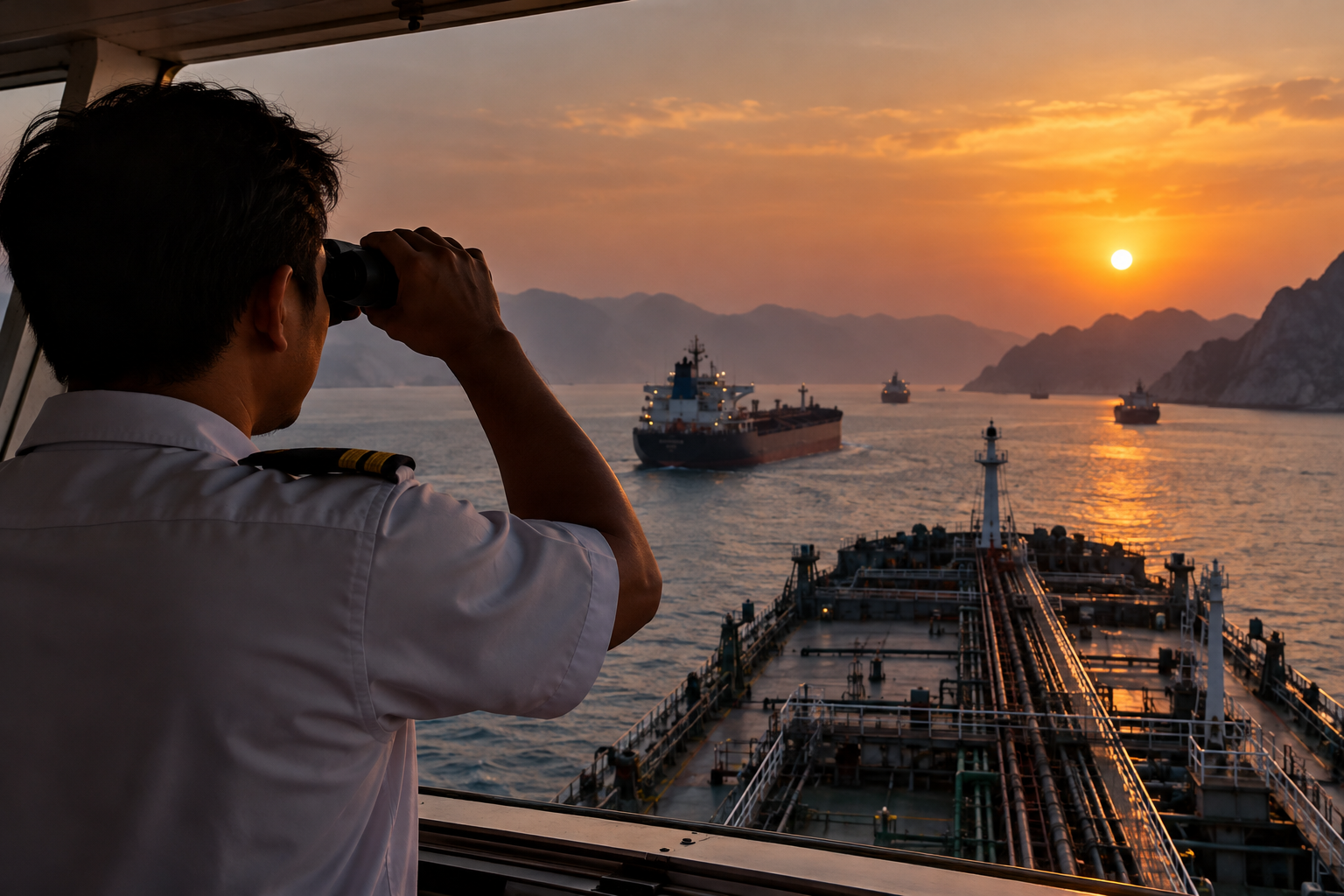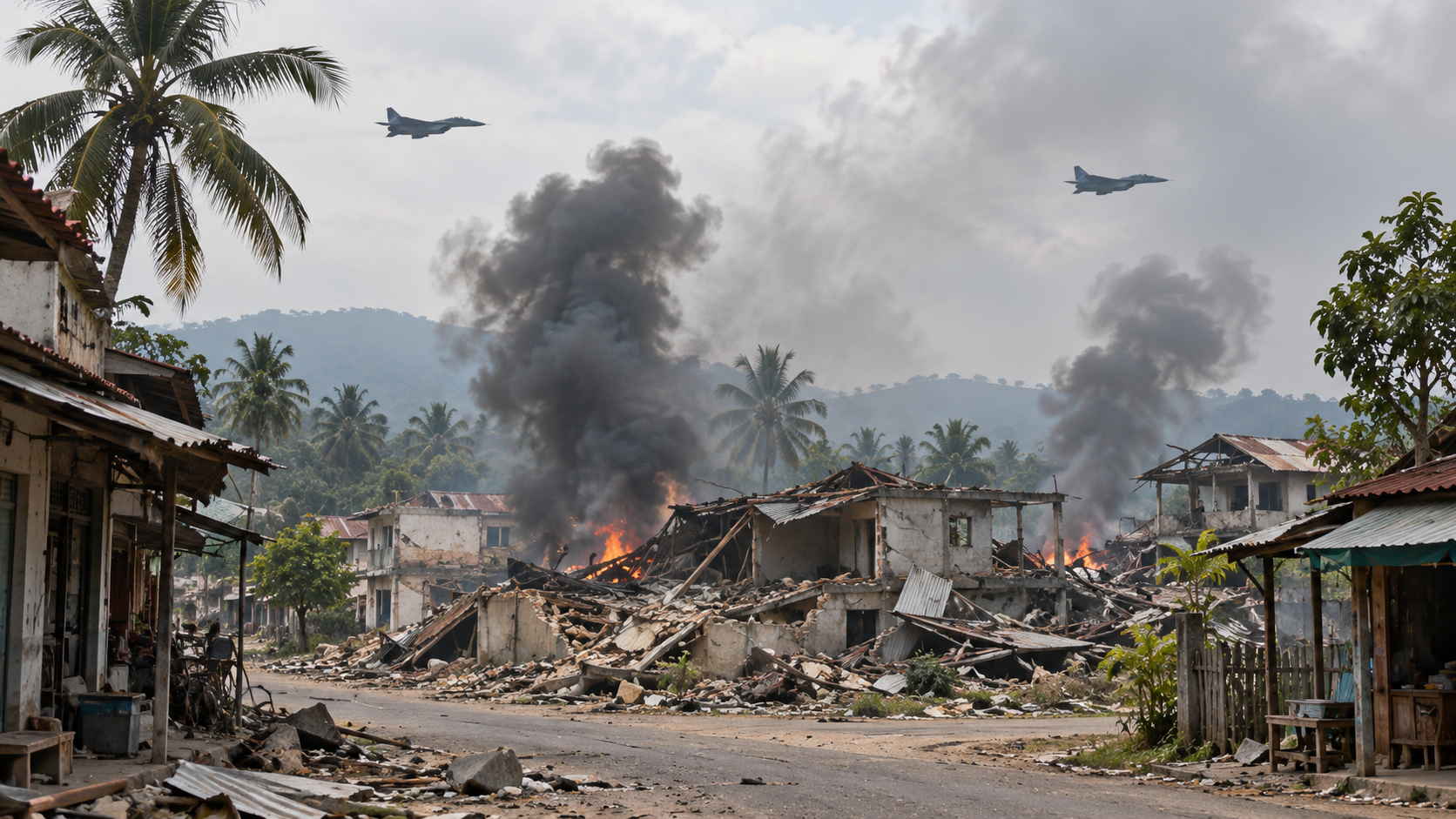
As attacks on commercial vessels intensify in the Strait of Hormuz, some shipping companies are offering extraordinary salaries and bonuses to attract crews willing to navigate the dangerous waterway. Reports published in early October describe payments reaching tens of thousands of dollars for certain voyages. Filipino seafarers are among the international maritime workers navigating these risks, raising questions about whether financial incentives can justify the dangers involved.
Why dangerous voyages are paying more
An October 7 Financial Times report revealed that some tanker captains were earning up to $100,000 monthly, with additional bonuses reaching $50,000 per crossing. Other sailors reportedly received four to six times their usual wages. Separately, The Wall Street Journal reported offers of up to $25,000 for certain voyages, including opportunities involving Filipino crew members.
These are exceptional payments, not typical Filipino seafarer salaries.
The economics explain why companies are willing to pay so much. Oil producers need vessels to transport valuable cargo, while attacks and military tensions have discouraged many operators.
Some tanker charter rates have reportedly reached $1.3 million daily. War-risk insurance and security expenses have also increased sharply.
Despite these costs, transporting oil through Hormuz can remain commercially attractive.
Rising danger for commercial shipping
The financial rewards come amid escalating maritime violence.
At least 12 attacks, attempted attacks or harassment incidents involving tankers occurred between September 28 and October 5.
The threat extends beyond Iranian attacks. On October 10, American forces disabled a commercial vessel in the Gulf of Oman after accusing it of attempting to breach the US naval blockade of Iran. No crew injuries were reported.
Filipinos have already suffered consequences from regional hostilities
George Francis Miranda, a Filipino seafarer aboard the tugboat Mussafah 2, went missing following an attack earlier this year.
Other Filipino maritime workers have faced deadly incidents in the Black Sea, highlighting the risks of working near international conflicts.
Filipino captains recognized for protecting their crews
Amid these dangers, Filipino maritime professionals have demonstrated exceptional leadership.
On September 24, the Maritime Industry Authority (MARINA) honored four Filipino ship masters for protecting their vessels and crews during dangerous passages through Hormuz.
Captains Rogel Seradoy, Christopher Bulandra, Goldwyn Fuentes and Bienvenido Gasal Jr. received awards recognizing their resilience and courage. Their four vessels safely transported 81 Filipino seafarers through the strait between June 24 and July 1. MARINA also recognized the contribution of ship-management personnel and government agencies, including the DMW and DFA.
Their achievement shows how experienced leadership, preparation and coordination can help protect Filipino lives.
Who profits, and who carries the risk?
For Filipino families relying on overseas income, an extraordinary bonus could change their financial circumstances.
However, shipowners and cargo companies face financial losses, while crews risk injury, disappearance or death.
Some sailors may willingly accept these assignments. Others could feel pressured by debts, family obligations or concerns about future employment.
Seafarers have protections allowing them to refuse certain dangerous voyages, but financial pressure can complicate that choice.
Filipino seafarers deserve recognition for their courage and professionalism. Yet no shipping company’s profits, however substantial, should outweigh the safety of the people aboard its vessels.