For overseas Filipino workers planning to return permanently, the difficult question is how to earn once their overseas salary stops. The government hopes agriculture can provide one answer.
On October 4, the Department of Agriculture (DA) announced a strengthened partnership with the Overseas Workers Welfare Administration (OWWA). Their Balik Agri-OFW Agribusiness and Investment Reintegration Program aims to help returning workers establish agricultural businesses.
Why the government is targeting OFWs
The initiative serves two purposes: helping returnees rebuild their livelihoods and attracting investment and skills into Philippine agriculture.
DA sees OFWs as potential entrepreneurs who can bring savings, experience, and useful knowledge into the sector. This is an option for workers preparing to come home, rather than a general call to abandon overseas employment.
An aging farming population adds urgency to agricultural renewal. However, the program announcement does not identify a nationwide farm-labor shortage as its main rationale. Its focus is enterprise development.
Agriculture also needs better returns. The Philippine Institute for Development Studies identifies limited financing, poor infrastructure, shrinking farm sizes, and climate extremes among the sector’s problems. Low incomes have pushed workers toward other industries.
What Balik Agri-OFW offers
The partnership brings together business planning, venture-specific training, technical assistance, market connections, and access to existing financing programs.
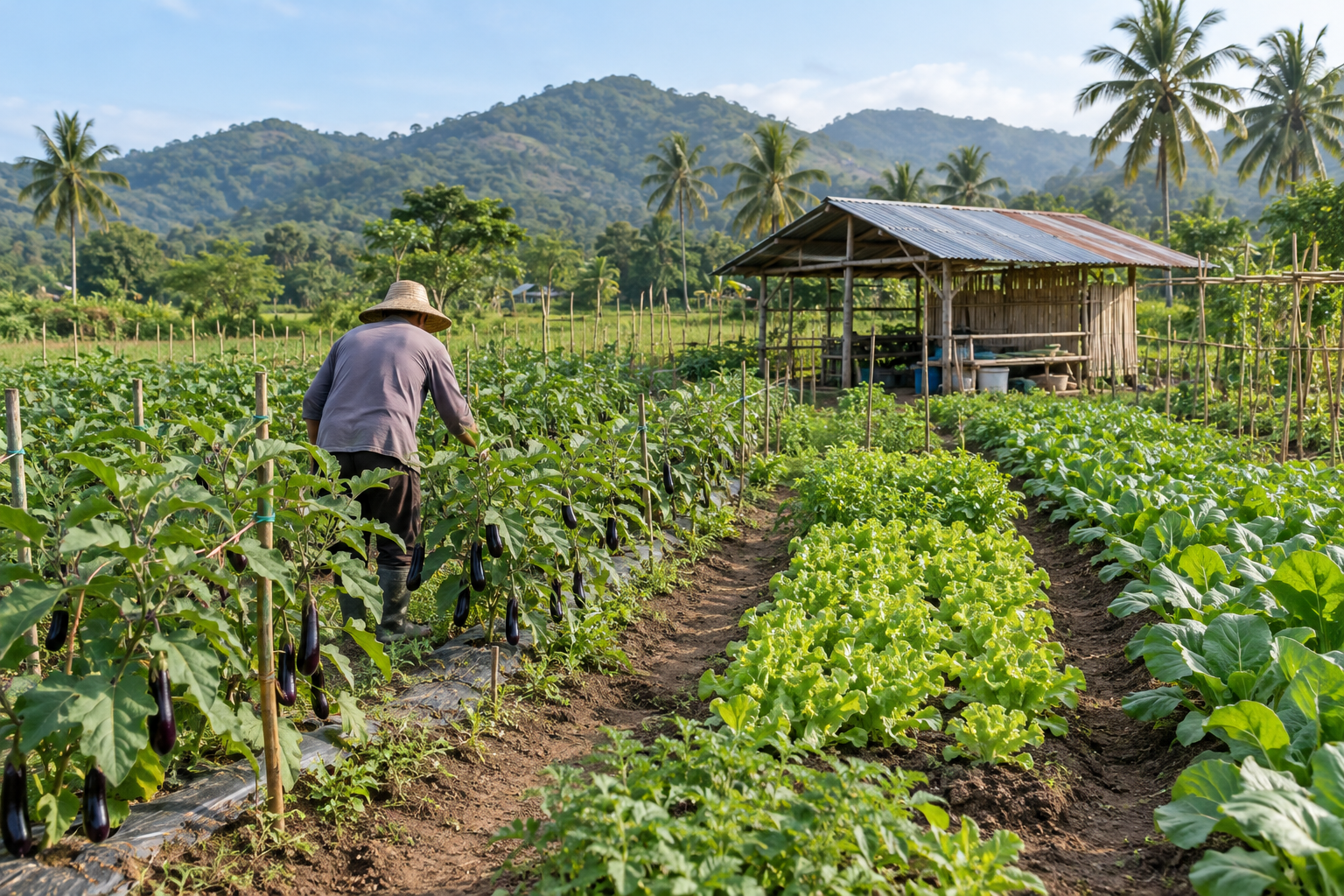
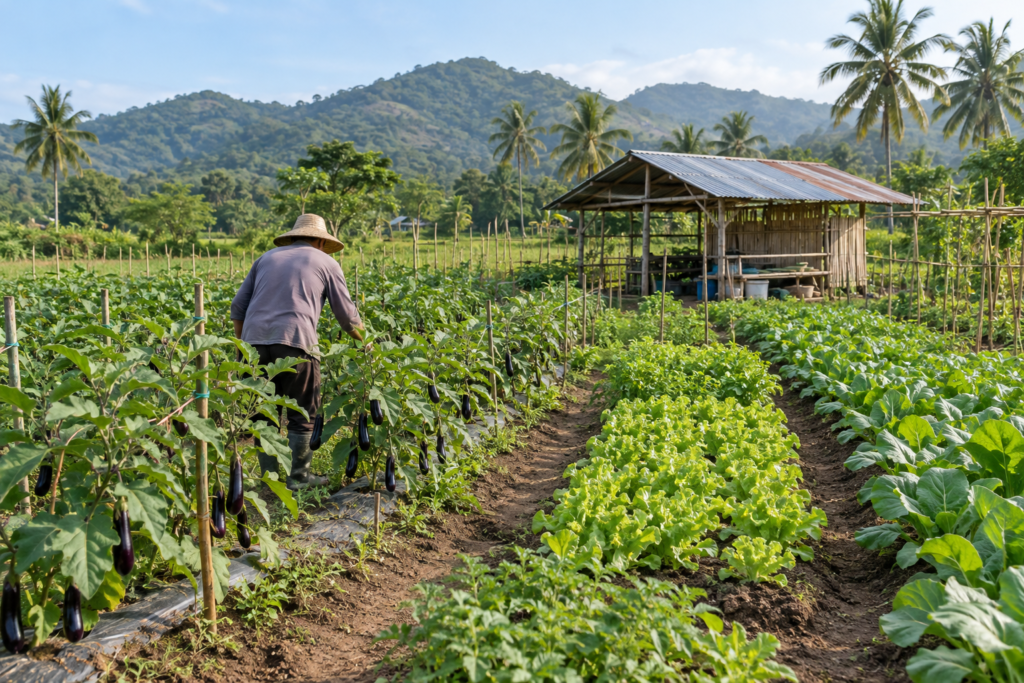
Suggested enterprises include native pigs and chickens, ducks, lowland vegetables, and oyster mushroom production and processing. The options extend beyond growing crops to adding value through processing.
Participants may access Agricultural Credit Policy Council loans and appropriate OWWA livelihood or grant programs. Assistance remains subject to eligibility and existing rules. Joining does not guarantee funding.
Preparation can begin abroad. DA held an agribusiness forum in Seoul on September 13. A visit the following day included a strawberry smart farm employing eight Filipino seasonal workers, offering exposure to technology potentially adaptable at home.
The agribusiness must support the family
A viable venture needs customers, realistic cost estimates, and enough working capital before regular sales begin. Equipment and training alone cannot ensure an income.
Returning workers also need to assess water availability, suitable premises, weather exposure, and disease risks. For a poultry enterprise, feed costs matter. For vegetables, transport and spoilage can erode earnings.
Continuing guidance and dependable buyers will therefore be crucial. Household bills must still be paid while the business develops.
A wider benefit for the Philippines
Successful enterprises could create rural jobs, support suppliers, and increase domestic food production. Competitive local businesses could also replace some imports.
Those are potential gains, not proven results of this program. Returning workers give up overseas earnings, so coming home does not automatically improve their finances.
Balik Agri-OFW deserves support because it connects reintegration with productive investment. Its real test will be whether participants build businesses that survive, pay their costs, and provide families with a dependable livelihood.