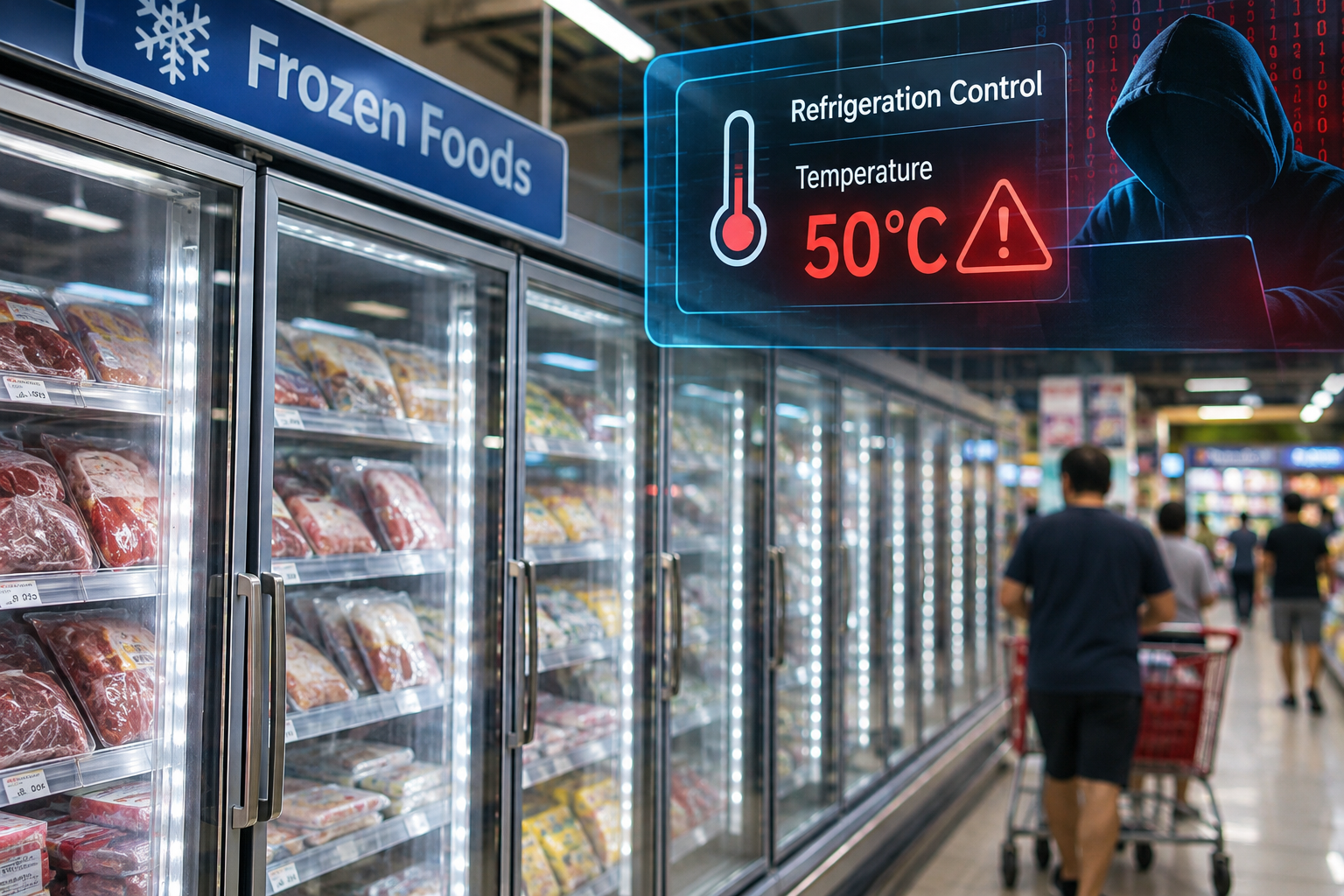
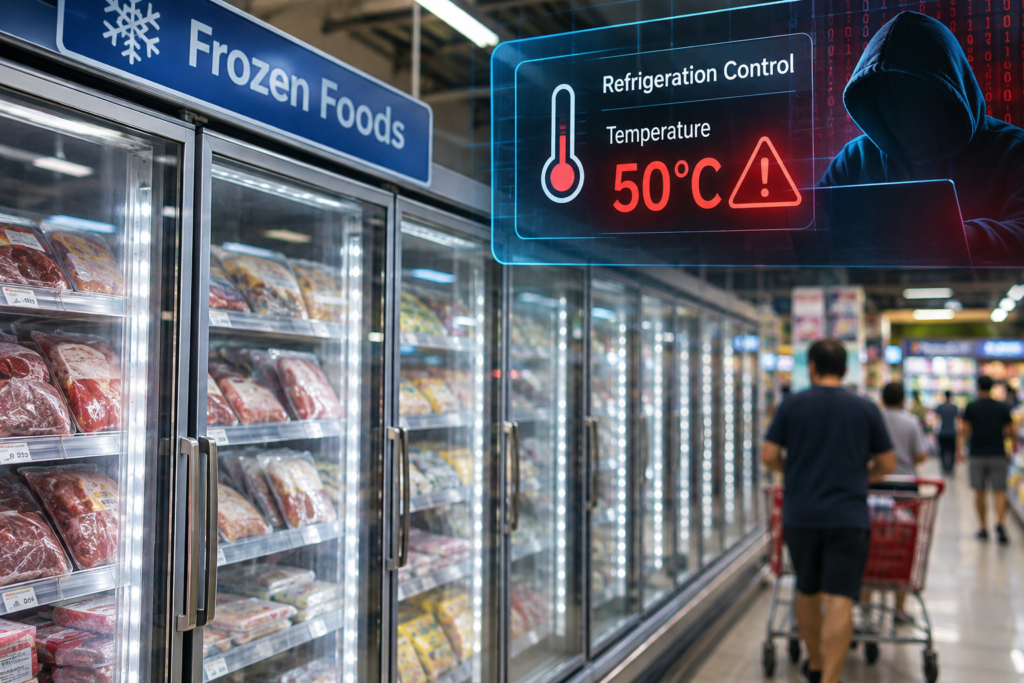
Hackers recently caused supermarket freezers and refrigerators across Europe to malfunction, forcing stores to discard large quantities of spoiled food. The attacks highlight a growing concern: Cybersecurity is no longer just about protecting personal information or preventing financial fraud. It can also affect food safety and essential supplies.
Could a similar cyberattack disrupt food supplies in the Philippines? The concern is not entirely hypothetical. Connected refrigeration technology is already operating in local supermarkets and cold-storage facilities.
Cyberattacks disrupt supermarket freezers across Europe
The attacks began in France in October, affecting hundreds of supermarkets. Another wave followed on November 2, spreading across Europe. By November 3, at least 11 countries had reported incidents. In some stores, hackers pushed freezer temperatures as high as 50°C. Retailers lost large quantities of food, with one Belgian butcher estimating damages of €15,000.
Philippine supermarkets use similar technology
Many modern supermarkets and cold-storage facilities in the Philippines use refrigeration systems that allow operators to monitor temperatures, receive alerts, and adjust settings remotely. These systems make food storage more efficient, but they also introduce potential cybersecurity risks. If hackers gain unauthorized access, they could manipulate temperatures and cause food to spoil, as seen in Europe.
Suppliers such as Sanden ColdChain Philippines have installed similar systems in local supermarkets and cold-storage facilities. However, there is no evidence that these systems have been attacked or share the same vulnerabilities found in Europe.
Could a cyberattack affect food prices and supplies?
Imagine a refrigerated warehouse storing tons of meat or seafood suddenly losing temperature control overnight. Even a temporary disruption could leave operators with spoiled inventory, financial losses, and delayed deliveries.
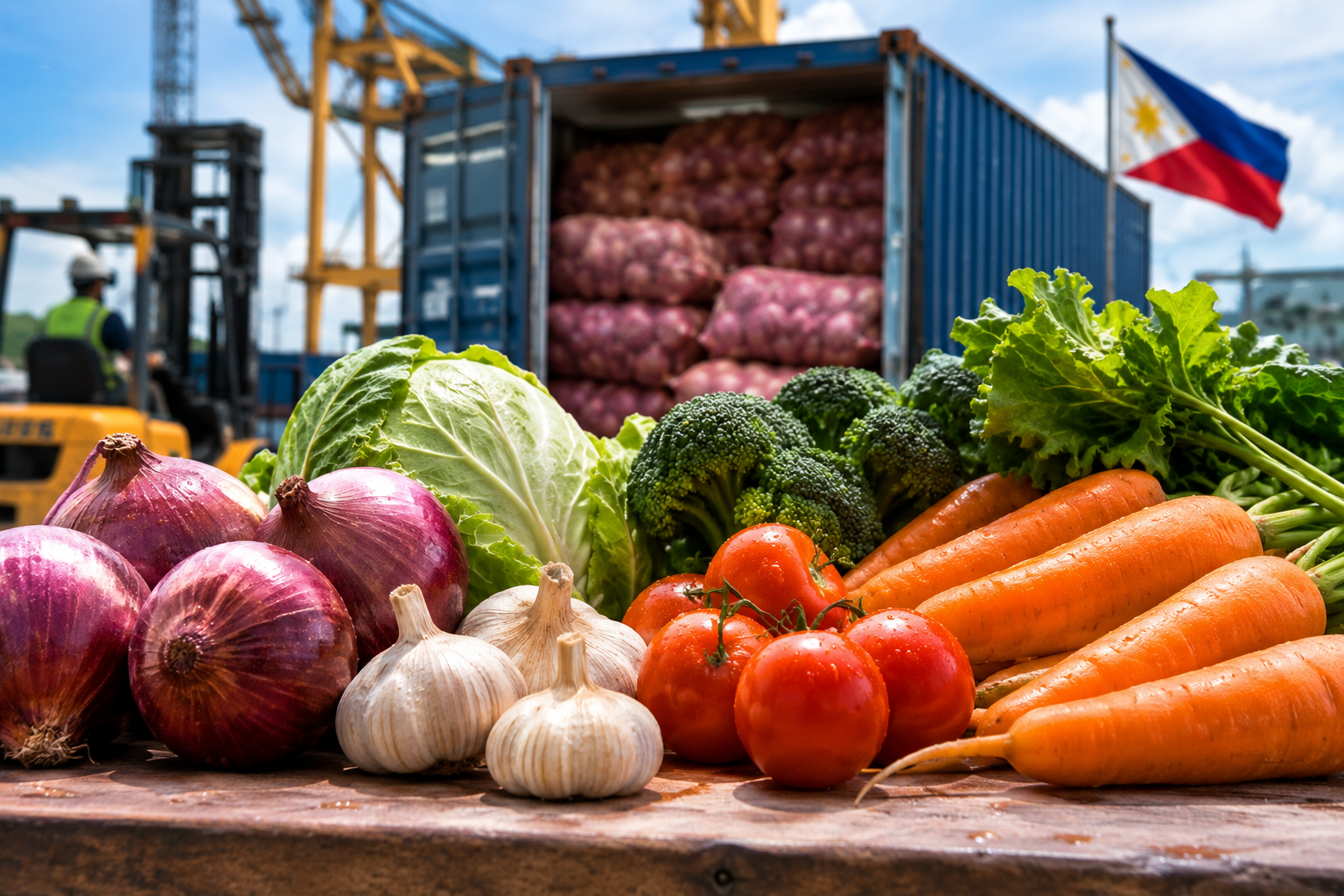
For an archipelago like the Philippines, where transporting fresh and frozen products between islands is already a logistical challenge, disruptions to refrigerated storage could have wider consequences. Large-scale incidents might also increase costs for distributors and retailers, potentially affecting consumers.
The European attacks demonstrate that cybersecurity failures can cause real-world losses, even without shutting down an entire supermarket.
Is the Philippines prepared for this kind of attack?
The Philippines has a National Cybersecurity Plan for 2023–2028. It aims to strengthen government networks, improve cyberattack detection and response, and introduce stronger cybersecurity standards. However, it remains unclear how well Philippine supermarkets and cold-storage operators are protected against attacks targeting their refrigeration systems.
Businesses can reduce these risks by securing remote access, updating software, monitoring unusual temperature changes, and maintaining emergency procedures if digital controls fail.
The European attacks offer a warning, not evidence of an imminent threat to Philippine supermarkets. But as food distribution becomes increasingly connected, protecting the country’s food supply also means protecting the technology behind it.