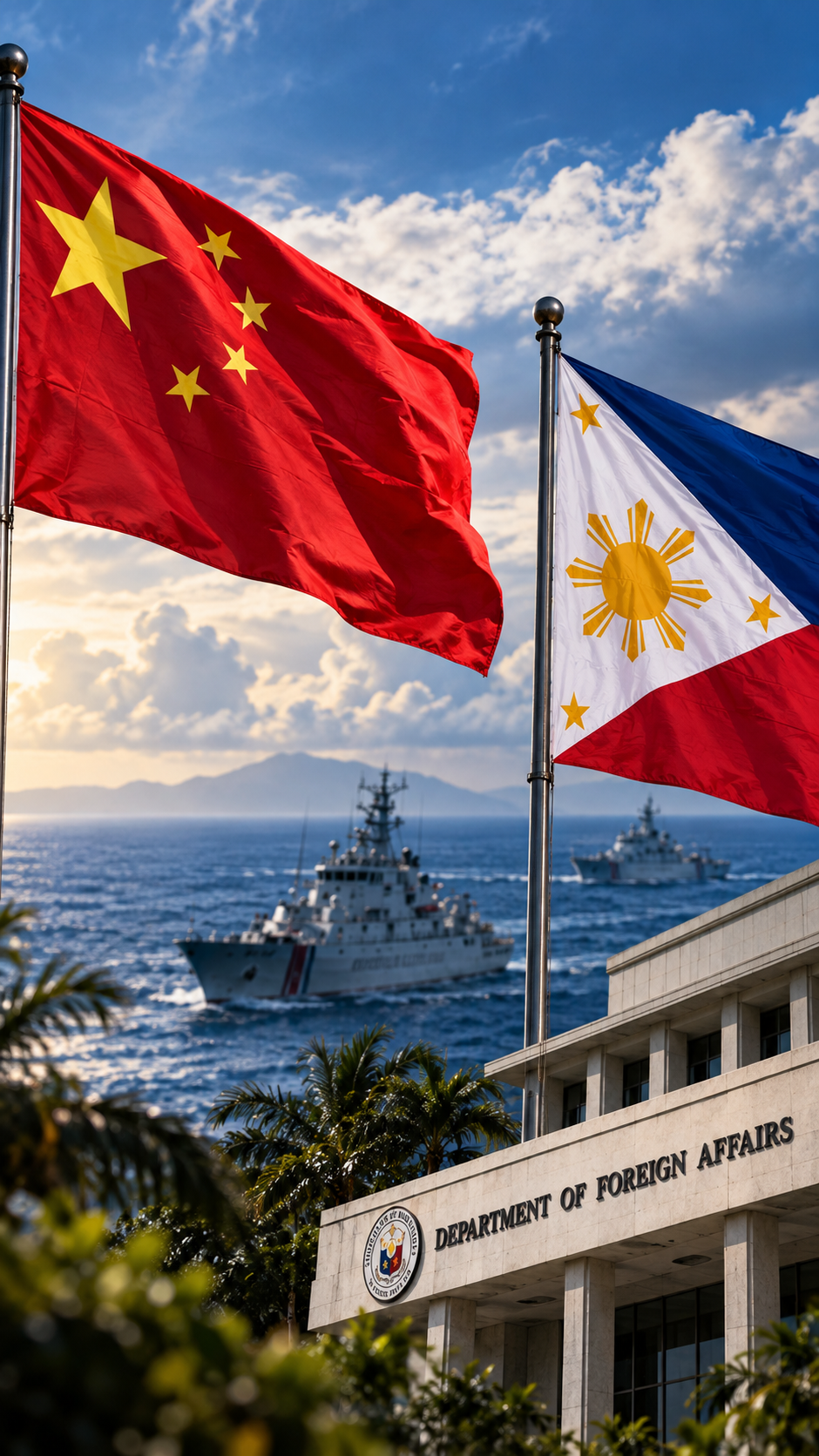

Hungary’s visa halt to people from the Philippines, Georgia, and Armenia has placed a fast-growing Filipino worker community in a more uncertain position.
A Visa Halt, Not a Mass Removal
The new rule took effect on June 5 under Prime Minister Péter Magyar, whose Tisza party ended Viktor Orbán’s long rule in Hungary’s April election. Tisza is a newer opposition force that campaigned on reform and a more pro-European direction, but its government is taking a tougher line on non-EU guest workers.
For Filipino workers, the distinction matters. The policy does not appear to mean an immediate removal of OFWs already in Hungary. Existing employees can still apply for extensions, and applications already submitted will still be assessed.
Still, the signal is serious. New applicants may face a harder path. Recruitment agencies may lose one of their more promising European routes. Filipino families who saw Hungary as a newer alternative to the Gulf, Taiwan, Japan, or other labor markets now have reason to pause.
Budapest says the tighter rules aim to protect Hungarian wages and regulate the inflow of foreign workers. That argument has political appeal. Foreign workers account for only about 2% of Hungary’s workforce, based on official statistics, but some sectors rely on them heavily. Manufacturing, services, logistics, hospitality, and other labor-shortage industries can feel the impact more sharply than the national figure suggests.
From 800 Workers to a Serious OFW Hub
The Filipino presence in Hungary grew with unusual speed. Department of Migrant Workers-linked figures placed the Filipino workforce there at only about 800 in 2022. By 2025, Hungarian officials were speaking of around 14,000 Filipino workers.
Philippine government figures also show how quickly the community expanded. During President Ferdinand Marcos Jr.’s 2024 visit, Manila said around 16,098 Filipinos were living and working in Hungary as of December 2023. Many worked in automotive, electronics, manufacturing, service, and hospitality jobs.
That growth explains why the visa halt matters. Hungary was not one of the traditional giant destinations for OFWs. It became attractive because its companies needed workers and because Filipino workers earned a strong reputation.
In October 2025, the Department of Migrant Workers said Hungarian officials had praised Filipinos for professionalism, integrity, and work ethic. Manila also opened a Migrant Workers Office in Budapest, a practical sign that Hungary had become important enough to require stronger labor support.
Hungary Was Already Tightening the Rules
Under Viktor Orbán, Hungary combined tough anti-migration politics with selective guest-worker admissions. Companies needed labor, especially in manufacturing, logistics, and services, so Budapest allowed workers from selected non-EU countries, including the Philippines.
By 2024 and 2025, however, the system was already tightening. Hungary reduced the combined guest-worker quota from 65,000 in 2024 to 35,000 in 2025, and kept that lower cap for 2026. Eligibility also narrowed. As of early 2025, Armenia, Georgia, and the Philippines were the only countries listed for guest-worker permits, although other routes could still apply under specific guarantees.
The rules were already restrictive before Magyar took office. Guest-worker permits were limited in duration, usually two years with a possible 12-month extension. The system excluded hundreds of occupations. It also did not offer a path to permanent residence, did not allow family reunification, and did not let workers easily shift into other residence categories.
Magyar’s government did not create this restrictive trend from zero. What changed after the election was the degree of pressure. The new government moved from limiting the guest-worker system to stopping new worker visas from the remaining listed countries.
A Narrower Road for New Applicants
For Filipinos already in Hungary, the immediate impact may be manageable if renewals continue. For new applicants, the situation looks far less certain.
This does not automatically mean a diplomatic crisis between Manila and Budapest. But it does change the mood around a labor route that had grown quickly and received official praise. For the Philippines, the priority should be clear: protect Filipinos already in Hungary, monitor renewals closely, and avoid treating any new OFW destination as permanently secure.