Digital transfer fees are getting cheaper in the Philippines, and that is good news for millions of app users. But the latest fee cuts also raise a harder question: what happens to Filipinos who still live mostly in cash?
New Rules Push Fees Lower
The latest changes follow a new push from the Bangko Sentral ng Pilipinas to make person-to-person electronic transfers more reasonable and transparent. BPI announced that transfers to other banks and e-wallets through InstaPay and PESONet on its digital platforms would become permanently free starting July 1, 2026. The bank said the move aligns with BSP Circular No. 1238, which calls for fair, market-based pricing for electronic fund transfers.
GCash also lowered its InstaPay transfer fee to ₱10 per transaction starting July 4. Maya announced a similar cut to ₱10 beginning July 6. RCBC also moved to remove InstaPay fees for selected in-app transactions.
For Filipinos who already have bank accounts, smartphones, verified e-wallets and stable internet, these changes matter. A few pesos saved per transfer can add up, especially for workers, small business owners, freelancers and families sending money often.
Why Lower Digital Transfer Fees Do Not Reach Everyone
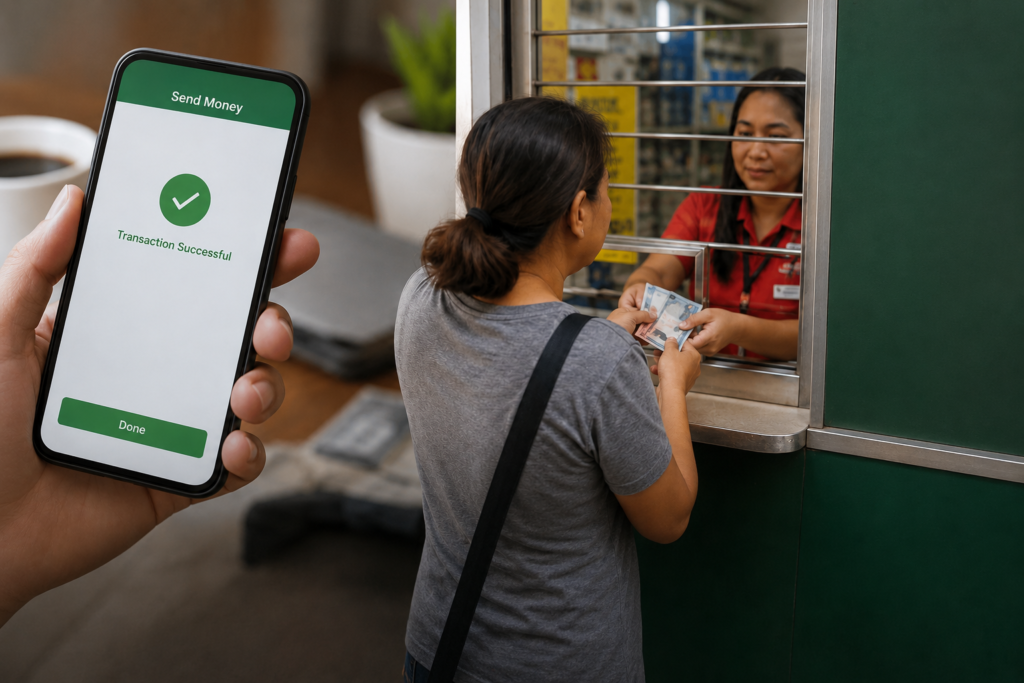
The problem is that lower app-based fees do not automatically reach everyone. Many Filipinos still rely on cash, over-the-counter services, pawnshops, remittance centers, sari-sari store cash-in points or family members with accounts.
This is where the “unbanked penalty” remains relevant. The phrase describes a simple but unfair reality: people with less access to formal finance can end up paying more, in percentage terms, to move smaller amounts of money.
That does not mean every remittance center is overcharging. Published rates vary widely. Some domestic remittance services charge modest fees for small transfers. Palawan Express, for example, lists ₱15 for a ₱901 to ₱1,000 nationwide transfer, while Cebuana Lhuillier lists ₱10 for the same range on one domestic rate table.
But the wider issue is not one fee table. It is the cost of staying outside the digital system. Cash-in fees, withdrawal costs, transport to a branch, valid ID requirements, failed app verification, weak signal and lack of trust can all become hidden charges on poor households.
Cheaper Transfers Are Progress, Not the Finish Line
The Philippines should welcome lower digital transfer fees. They make everyday transfers easier and can push banks and e-wallets to compete more fairly.
But cheaper transfers are only one part of financial inclusion. A construction worker who earns in cash still needs an easy way to enter the digital system. A mother in a province still needs affordable cash-out access. A student or informal worker still needs simple verification and consumer protection.
The real test is not whether banks can make transfers cheaper for existing users. The real test is whether the system can make moving money cheaper for the people who need every peso most.