
Chinese actress Zhang Yingfei, better known to many Filipino fans as Linda Walker, visited the Philippines from June 8 to June 11. Her visit included school activities, media appearances, and warm fan reactions.
But it also came during a tense week in the West Philippine Sea. That timing made what might otherwise have been a light celebrity story feel more political.
From Viral Fame to a Filipino Welcome
Zhang became popular among Filipino viewers through the Chinese microdrama The Heiress Who Won with Brains. Her character, Linda Walker, appealed to many students because she looked smart, disciplined, and confident. For many fans, her Manila visit was not about geopolitics. It was about meeting an actress linked to a character they enjoyed online.
During her stay, Zhang joined activities connected to education, tourism, and Filipino-Chinese friendship. Reports said she visited schools, appeared on local television, met Manila Mayor Isko Moreno, and joined events tied to the 51st anniversary of Philippines-China diplomatic relations and Filipino-Chinese Friendship Day.
Filipino audiences have long embraced foreign entertainment, from Korean dramas to Japanese anime and now Chinese short dramas. However, many Filipinos viewed Zhang’s visit as an attempt to influence public sentiment toward China at a particularly tense political moment.
Celebrity Diplomacy and China’s Soft Power Strategy
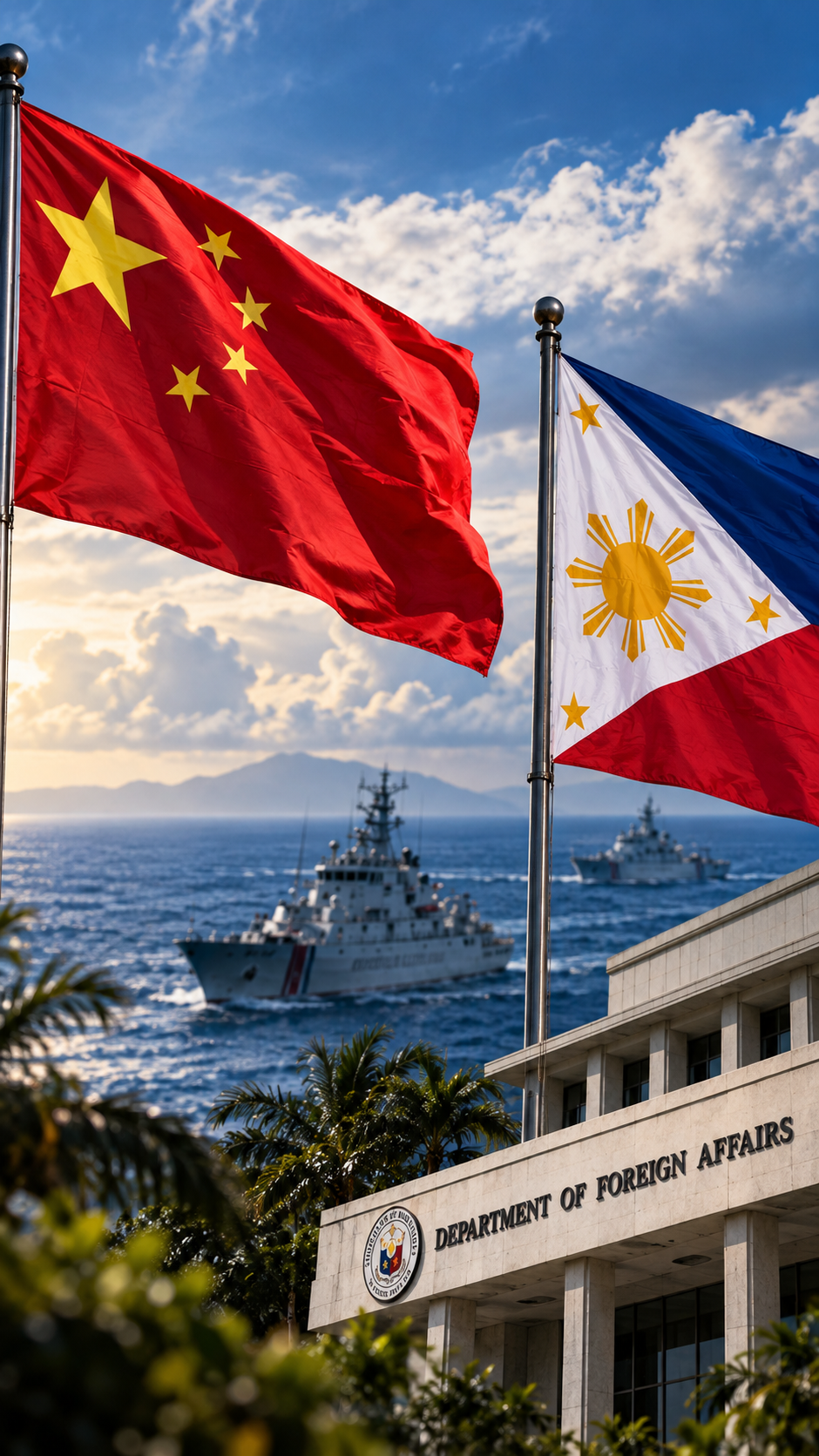
For some Filipinos, Linda Walker’s visit looked like more than a fan event. They saw it as celebrity diplomacy: a softer way to make China appear friendly, generous, and culturally attractive.
That suspicion is not unreasonable. China has spent years using culture, education, business groups, and people-to-people programs to improve its image abroad. A smiling actress visiting schools creates a very different picture from Chinese vessels blocking Filipino fishermen or shadowing Philippine patrols.
To be clear, Zhang herself should not be blamed for China’s conduct in the West Philippine Sea. She is an actress, not a coast guard commander. Filipino fans also did nothing wrong by welcoming her.
But the political usefulness of the visit is obvious. A viral Chinese celebrity talking about education and friendship can help soften public feeling toward China at a time when many Filipinos are angry over Beijing’s behavior at sea.
The Timing Near Bajo de Masinloc
While Zhang was in the Philippines, Manila was dealing with the reported Chinese floating structure near Bajo de Masinloc, also known as Scarborough Shoal.
Philippine authorities said the structure appeared to be a movable platform with an antenna and people on board. Manila filed diplomatic action and urged China to remove it. Officials also warned that the country would not allow the shoal to become another man-made island.
So when a Chinese celebrity visit happens during the same week, some Filipinos will naturally ask: is this just entertainment, or is this part of China’s image campaign?
There is no public proof that Beijing directly ordered Zhang’s visit to change Filipino opinion. But many Filipinos suspect that cultural events like this can still serve China’s interests.
The Philippines can welcome artists and cultural exchange. But friendship should never require silence over Bajo de Masinloc, the West Philippine Sea, or the rights of Filipino fishermen.