The Xi-Trump summit in Beijing was not only a conversation between two superpowers. For the Philippines, it touched a nervous regional map: Taiwan, the Bashi Channel, Japan’s harder security posture, Chinese grey-zone tactics, semiconductors, and the West Philippine Sea.
The Xi-Trump Summit
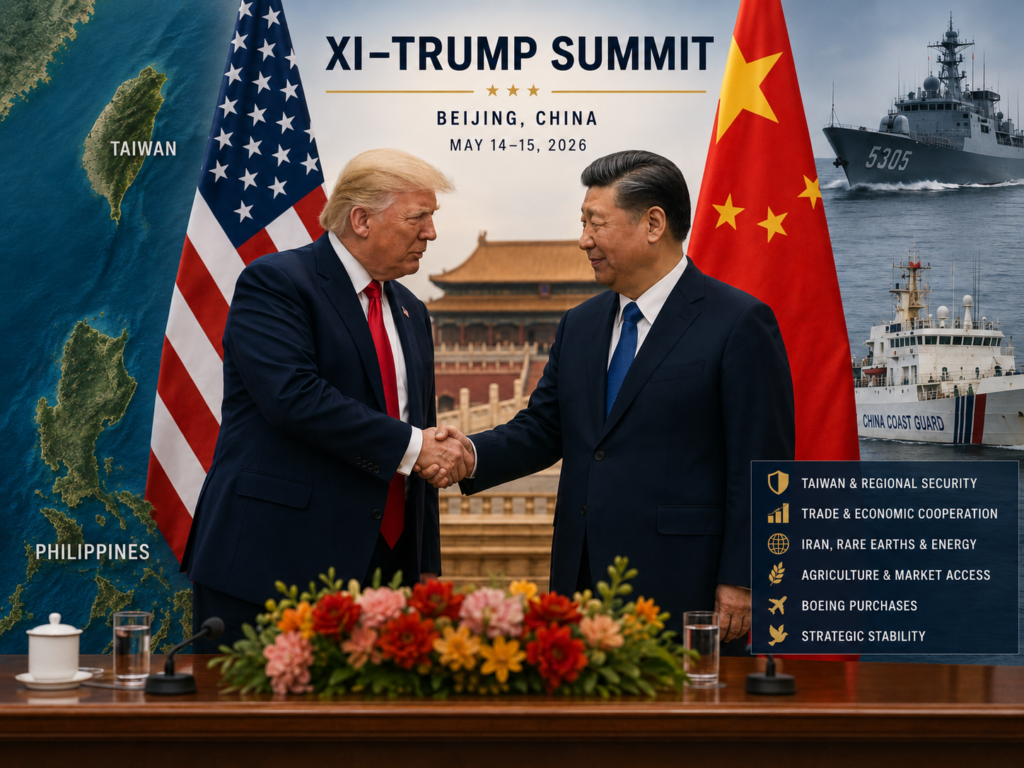
U.S. President Donald Trump and Chinese President Xi Jinping met in Beijing on May 14 and 15, 2026, during Trump’s first China visit since 2017. The talks covered Taiwan, trade, Iran, rare earths, agriculture, Boeing purchases, market access, and broader attempts to steady U.S.-China relations. Xi warned that mishandling Taiwan could push relations into a “dangerous” place. Trump left with warm words, but no major breakthrough.
For Manila, that matters. The Philippines may not want war, but it lives too close to the danger zone to treat Taiwan as someone else’s problem.
Manila’s Careful Line on Taiwan
President Ferdinand Marcos Jr. said that the Philippines would “not interfere” in the China-Taiwan issue. He also repeated Manila’s One China policy. That remains the official line, and any Philippine president must handle it carefully.
A Taiwan crisis would have immediate consequences for the Philippines, because of Taiwan’s proximity and because nearly 200,000 Filipinos live and work there.
This is where official policy and democratic sentiment can differ without becoming reckless. The Philippines can maintain its One China policy while still recognizing that the people of Taiwan should not be bullied, invaded, or forced into a political future they did not choose. Many Filipinos understand this instinctively. As a democratic country, the Philippines should stand for the principle that free people deserve a say in their own destiny.
A forced takeover of Taiwan would not only threaten Taiwan. It would tell the region that coercion can decide borders, rights, and political futures.
Japan, Taiwan and the Bashi Channel
Marcos is expected to meet Japanese Prime Minister Takaichi Sanae in Tokyo later this month. Takaichi angered Beijing in 2025 when she visited Taiwan despite Chinese warnings. She later said Japan should deploy its Self-Defense Forces if China attacks Taiwan, calling a siege of the island an “existential crisis” for Japan.
Taiwan sits close to Japan’s southwestern islands and close to Northern Luzon. The Bashi Channel between Taiwan and the Philippines is a key route for naval movement, air operations, undersea cables, and trade. If a crisis erupts there, it will not respect diplomatic talking points.
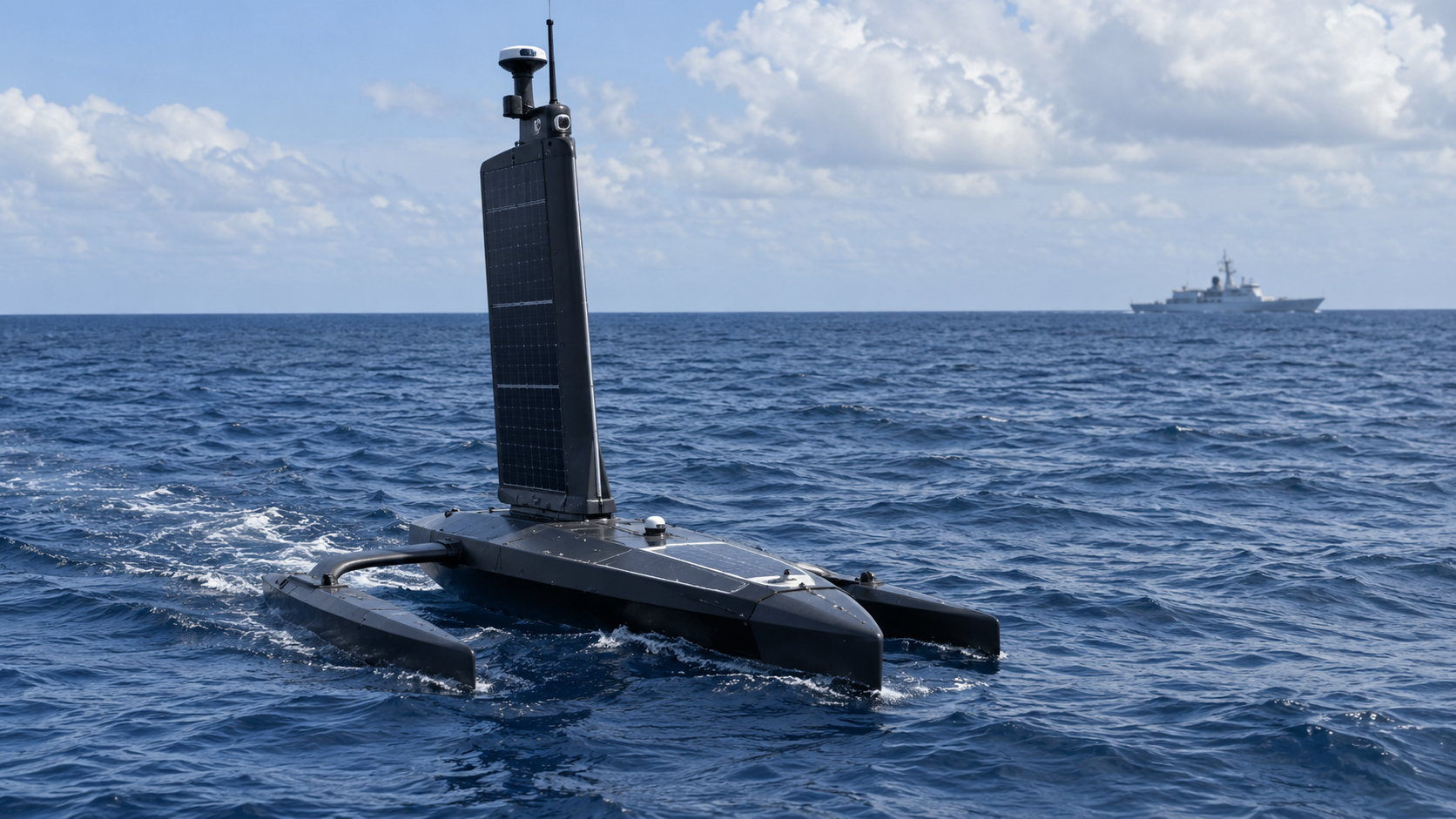
Balikatan 2026 made that map visible. The drills ran from April 20 to May 8 and involved more than 17,000 troops. Japan, Canada, France, and New Zealand took active roles for the first time. On May 6, Japan’s Self-Defense Forces fired a Type 88 anti-ship missile during a joint exercise with U.S., Australian, and Philippine forces in Northern Philippines. The missile hit a decommissioned Philippine Navy ship. Filipino and U.S. forces also deployed NMESIS anti-ship missiles near Taiwan.
Chinese Research Ships Show the Grey-Zone Pattern
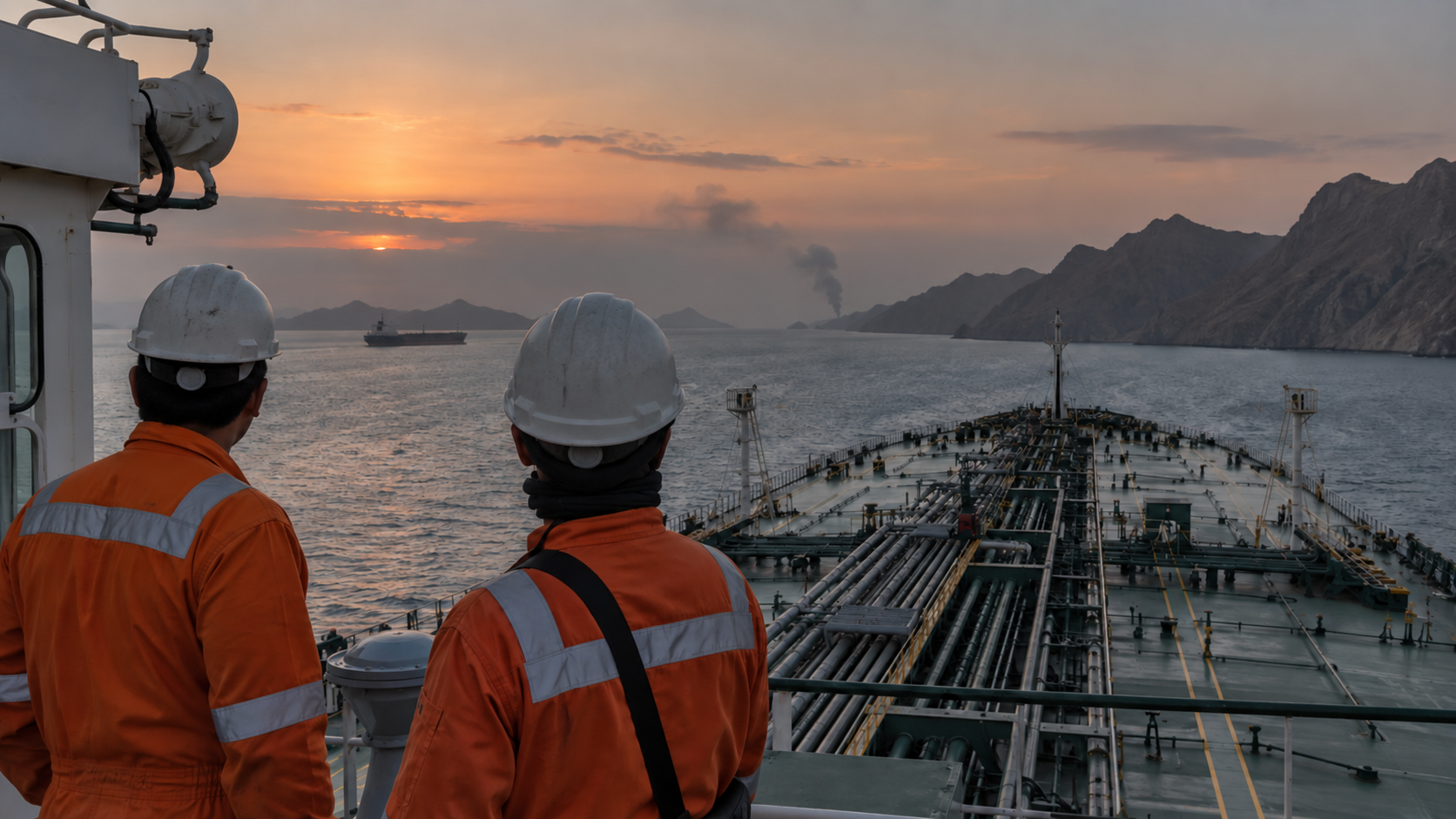
The same pattern appears at sea. On May 7, Taiwan’s coast guard drove away the Chinese research ship Tongji after it was detected about 29 nautical miles southeast of Taiwan. Taiwanese authorities said the ship appeared to be lowering scientific equipment into the water for suspected illegal survey operations. Taiwan used radio warnings and wake interference until the vessel retrieved its instruments and left.
That incident should feel familiar to Filipinos. China often uses “research” activity, coast guard vessels, maritime militia, and civilian-looking ships to test limits without admitting aggression. It creates pressure below the threshold of war, then accuses others of provocation when they push back.
The West Philippine Sea has already taught Filipinos how this works. Beijing does not need to fire the first shot to change facts at sea. It can swarm, block, survey, intimidate, and then call the result peace.
Taiwan’s Chips Are Also a Philippine Concern
Taiwan also matters economically. It dominates advanced semiconductor manufacturing. The Philippines plays a different role, mostly in assembly, testing, and packaging, but that role is still important. The OECD describes the Philippines as the world’s ninth-largest chip exporter and says electronics and semiconductors form the country’s single largest export category.
A Taiwan crisis could therefore affect supply chains, electronics jobs, investment plans, and prices.
The Philippines should welcome U.S.-China dialogue, including the Xi-Trump summit, if it reduces the risk of war. But dialogue must not become a polite cover for intimidation. Manila can respect One China, protect OFWs, deepen ties with Japan and the United States, and still say clearly that Taiwan should remain free from coercion.