For a long time, Filipino consumers heard the same message over and over: imported meant better, and cheaper usually meant smarter. Chinese goods filled local markets, offering low prices and endless choice. Many Filipino brands faded out quietly. Others survived by doing something less obvious. They stopped trying to be cheap.
In recent years, a different pattern has emerged: a Filipino brand comeback. A number of Filipino brands have moved from neighborhood sari-sari stores to regional and even global shelves. Not by racing Chinese imports to the bottom, but by focusing on quality, identity, and durability.
Why price was the wrong fight
Chinese imports dominate where scale and speed matter most. Fast fashion, plastic household goods, generic electronics. These products are designed to move quickly and be replaced just as fast.
Most Filipino producers operate on a smaller scale. Competing head-on in that model rarely works. Many learned that the hard way. The brands that lasted chose a different path: make products people keep, repair, and come back for.
That shift matches a wider consumer trend: fewer items, better quality and less waste.
From Marikina to the world
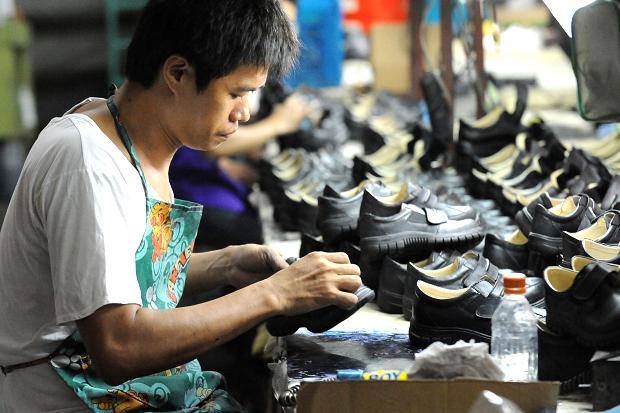
Marikina’s shoe industry shows how this plays out. Cheap imported footwear often looks fine at first, then cracks or peels within months. Locally made shoes cost more upfront, but they last longer and can be repaired.
That difference matters overseas too. Buyers looking for craftsmanship are not shopping for the lowest price. They are shopping for reliability. Filipino shoemakers who leaned into durability found demand beyond the domestic market.
Furniture makers in Pampanga and Cebu tell a similar story. Solid wood pieces don’t compete well with flat-pack imports at checkout. Over time, they win. One lasts years. The other is replaced.
Food, trust, and origin
Food brands make the contrast even clearer. Filipino cacao producers in Davao and Mindanao compete in a crowded global market, yet they succeed by focusing on flavor, traceability, and origin. Premium chocolate doesn’t sell on volume. It sells on trust.
This fits the broader structure of the Philippine economy: micro, small, and medium enterprises make up 99.6% of all businesses in the country. Many operate in food, furniture, and creative industries; sectors where authenticity matters more than mass output.
Why this approach travels
Filipino brands that scale abroad tend to do one thing well: they don’t hide where they come from. They make it central.
Large-scale Chinese manufacturing is built for efficiency and speed. That model struggles when buyers start asking different questions. How long will this last? Who made it? Can it be repaired? Those questions quietly change the competition.
The Filipino brand comeback isn’t about nostalgia. It’s about realism. Buying local isn’t charity. It’s choosing businesses that compete on terms that actually make sense.
Each time a Filipino product earns space on a global shelf, it proves a simple point. You don’t have to be cheaper than Chinese imports to succeed.