When Rodrigo Duterte launched his war on drugs in 2016, he made no secret of his methods. He publicly urged police to be aggressive and repeatedly warned suspects they could be killed. Official police data placed the death toll in the thousands. Human rights groups said the real number was far higher.
The Philippines withdrew from the International Criminal Court in 2019. Still, the ICC kept investigating alleged crimes committed while the country was a member. In March 2025, Duterte was arrested under an ICC warrant and transferred to The Hague. Nearly a year later, the case has moved into a decisive stage: the ICC pre-trial hearings are now underway.
These hearings are not about guilt or innocence. Judges must decide whether prosecutors have shown “substantial grounds” to move the case to a full trial.
Inside the ICC Pre-Trial Hearings
During the opening sessions this week, prosecutors outlined what they described as a coordinated campaign of killings carried out during Duterte’s presidency and earlier in Davao City. They argued that he was not simply aware of police operations but shaped them.
Among the most striking claims presented were allegations that Duterte drew up so-called “death lists” and publicly boasted about killings tied to anti-drug operations. Prosecutors also detailed the roles of individuals they described as co-perpetrators, suggesting that the campaign relied on institutional support within law enforcement structures.
The charges fall under crimes against humanity, specifically murder. At this stage, prosecutors do not need to prove the case beyond reasonable doubt. They must show enough evidence to justify a full trial, where witnesses would testify and defense lawyers could challenge the prosecution’s narrative in depth.
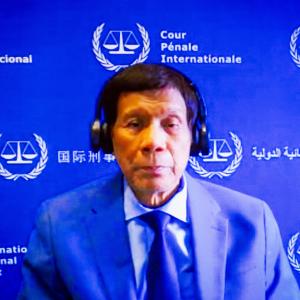
Duterte did not personally appear in court for the opening of the ICC pre-trial hearings. His legal team informed the chamber that he waived his right to attend, citing health considerations. The defense continues to question aspects of the court’s jurisdiction and has framed the case as politically motivated.
Debate at Home
While arguments unfold in The Hague, political reactions in Manila continue to evolve. The Senate has begun tackling a resolution urging that ICC warrants be processed through Philippine courts before implementation. Supporters present this as a matter of sovereignty. Critics argue that such a move could complicate or delay cooperation with the court.
The jurisdiction issue remains central. Although the Philippines formally left the ICC, the court maintains authority over alleged crimes committed before withdrawal took effect. That legal interpretation forms the backbone of the current proceedings.
For many families who lost relatives during anti-drug operations, the hearings represent something concrete after years of debate. For Duterte’s supporters, the process remains contentious and deeply political.
What happens next depends on the judges’ decision in the coming weeks. If they confirm the charges, Duterte would face a full international trial: an unprecedented development involving a former Philippine president.
For now, the courtroom process has shifted from investigation to judicial review. The focus is no longer on whether the ICC will act, but on how far the case will go.