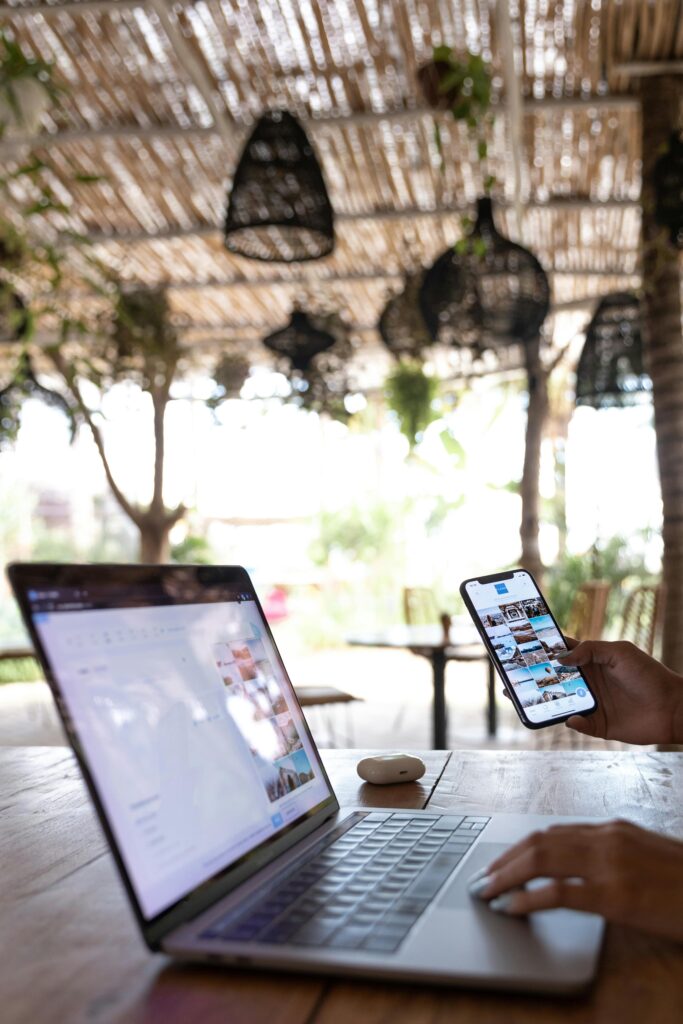
Digital Nomads in the Philippines are no longer a novelty. As remote work settles into a post-pandemic “new normal,” the country has emerged as a recognizable destination for location-independent workers. From surf towns to university cities, the appeal is real, but so are the constraints.
Globally, industry estimates suggest there are now 35 to 40 million digital nomads worldwide, a figure that surged after 2020 and has since stabilized. The Philippines hosts only a fraction of that population, but its visibility has grown. Based on long-stay tourism data, coworking activity, and platform check-ins, the number of foreign digital nomads in the country likely sits in the tens of thousands at any given time, concentrated in a few key locations rather than spread evenly nationwide.
Why Digital Nomads Keep Coming to the Philippines
The country’s pull is straightforward: English fluency lowers barriers instantly, and living costs remain competitive by regional standards. Many nomads earn in dollars or euros while spending in pesos, a gap that quietly reshapes local neighborhoods.
Social culture makes solo living easier than in many Asian cities. Yet this is not a friction-free environment. Internet reliability still varies sharply by location. Power interruptions remain common outside major urban centers. Bureaucracy (especially around visas) limits long-term planning for many remote workers.
Where Nomads Actually Cluster
Three destinations illustrate how different the experience can be.
Siargao attracts short-term nomads, creatives, and freelancers willing to trade stability for lifestyle. Productivity often takes a back seat to surf and social life.
Baguio offers cooler weather, academic energy, and more routine-friendly conditions. It increasingly appeals to Filipino remote workers alongside foreigners.
Dumaguete remains underrated: quieter, cheaper, and better suited to long stays, though with limited nightlife and fewer professional networks.
Costs, Communities, and Quiet Tensions
Digital nomads bring spending power, but not evenly shared benefits. In some areas, rents near cafés and coworking spaces have risen faster than local wages.
Many Filipinos work remotely themselves. Millions do online or home-based work, yet only a small subset live a fully nomadic lifestyle due to family obligations and mobility costs.
This overlap has created shared spaces that are sometimes collaborative, sometimes competitive.
The Visa Gray Zone
Despite discussions around new remote-work visas, most foreign nomads still rely on tourist visa extensions. Enforcement remains inconsistent, and the lack of a clear framework discourages more established professionals from committing long term.
The Philippines’ future as a remote-work hub depends less on branding and more on whether infrastructure, regulation, and local inclusion can keep pace.