China’s support for authoritarian regimes is becoming harder to dismiss as crises unfold from Latin America to the Middle East. Behind Beijing’s language of sovereignty and “non-interference” lies a blunt reality: strategic energy interests. China is a major buyer of discounted oil from countries like Iran and, until recently, Venezuela.
China’s ties with Iran and Venezuela highlight how energy security and geopolitics shape its foreign policy stance. That dependence helps explain why Beijing repeatedly shields these governments from pressure. For many Filipinos, this context matters when judging China’s credibility on international rules.
Venezuela and the language of “sovereignty”
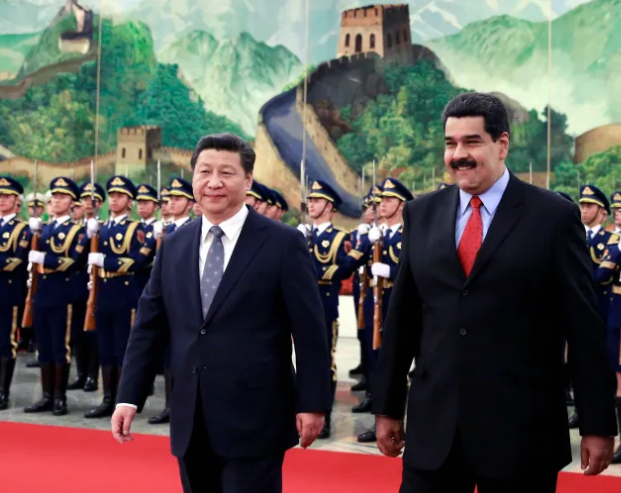
When the United States moved against the government of Venezuela and President Nicolás Maduro, Beijing responded with sharp condemnation. Chinese officials framed the episode as a violation of sovereignty and warned against foreign intervention. It followed a familiar script: loud defense of a friendly government long accused of election manipulation and repression.
That defense has never been purely rhetorical. For years, China has been deeply tied to Venezuela through oil-for-loans arrangements and crude shipments that helped keep Caracas afloat during sanctions. From a Philippine perspective, this raises doubts. China demands respect for sovereignty in Latin America, yet rejects an international arbitration ruling that affirmed Philippine rights in the West Philippine Sea. The contrast reinforces a view held by many Filipinos: Beijing invokes principles when convenient, and ignores them when they get in the way.
Iran, restraint, and selective silence
The protests in Iran tell a similar story. Demonstrations driven by economic hardship and demands for basic freedoms have drawn global concern. China’s response has been restrained. Beijing has avoided strong language on human rights while maintaining close economic and energy ties with Tehran.
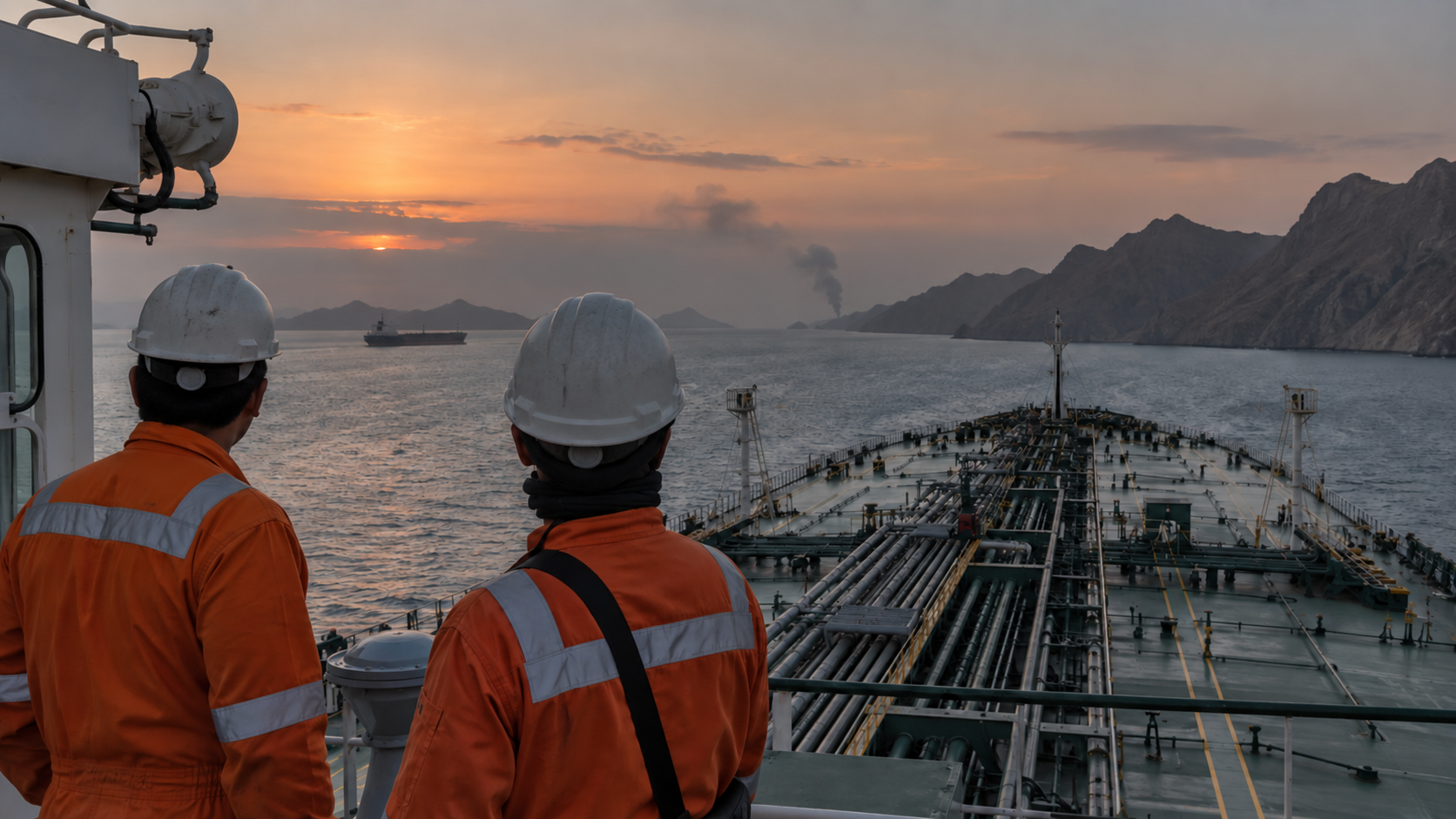
Those ties are not marginal. China has become the main destination for Iranian crude, often bought at discounted prices despite international sanctions. China’s posture suggests clear priorities: stability and resource access come first. Rights and accountability come later, if at all.
China’s support for authoritarian regimes and the reality of “non-interference”
Beijing frequently invokes “non-interference” to justify its backing of governments like those in Venezuela and Iran. Yet documented cases show that China does intervene when its interests are involved. Investigations have reported China-linked disinformation campaigns targeting elections in Taiwan, coordinated online influence networks operating in democratic states, and even embassy-linked digital operations aimed at shaping public opinion in the Philippines itself.
These actions may stop short of military intervention, but they still affect elections, public debate, and trust in institutions. When paired with China’s energy dependence on authoritarian partners, the contradiction becomes harder to dismiss.
Taken together, these cases point to a broader pattern. China shields friendly governments that supply strategic resources, stays silent on internal repression, and rejects legal constraints when dealing with smaller states.
Public sentiment in the Philippines reflects this unease. Lawmakers, analysts, and ordinary citizens increasingly link China’s global alliances to its actions in Southeast Asia. If Beijing defends authoritarian partners abroad while ignoring international rulings and engaging in influence operations, its vision of a “rules-based order” looks tactical rather than genuine.