The northern Philippines has again become a focal point in regional security after recent missile drills brought together the Philippines, Japan, the United States and Australia. The exercises showed how quickly the country’s northern coastlines and island provinces have moved from quiet geography to strategic front line.
Japan Fires Missile During Balikatan
Japan’s Self-Defense Forces fired a Type 88 anti-ship missile during a joint maritime strike exercise in Ilocos Norte. The missile hit a decommissioned Philippine Navy ship in waters facing the South China Sea.
The drill involved Japanese, American, Australian and Philippine forces. It formed part of Balikatan, the annual large-scale military exercise between the Philippines and the United States, now increasingly joined by other partners.
Japan’s role stood out. For decades after World War II, Tokyo limited its military activities overseas. Its participation in a live missile drill in the Philippines marks a notable change. It also comes as Manila and Tokyo explore possible defense equipment cooperation, including transfers made easier by Japan’s loosening of military export restrictions.
China reacted sharply, accusing Japan and the United States of raising tensions. That criticism was predictable. But it also shows how seriously Beijing views allied cooperation near waters where China’s actions have already challenged the sovereignty and security interests of its neighbors.
NMESIS Arrives in Batanes
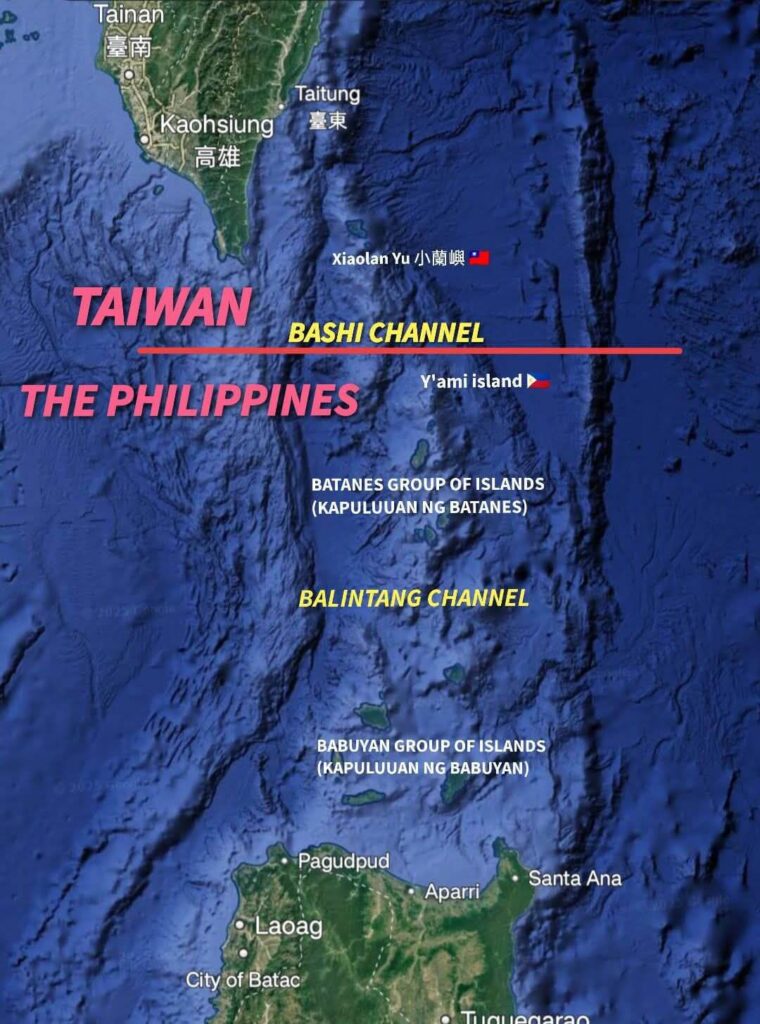
Days earlier, Philippine and U.S. forces showcased the NMESIS anti-ship missile system in Batanes, the country’s northernmost province. Batanes sits roughly 100 miles south of Taiwan and lies near the Luzon Strait, one of the region’s most important maritime corridors.
NMESIS is a mobile, land-based anti-ship system. It can target surface vessels at a range of about 185 kilometers, or 115 miles. During the exercise, the system was flown into Basco, the provincial capital, aboard a U.S. transport aircraft.
Officials said the deployment was for rehearsal and simulation support, not live firing. The system was expected to leave Batanes after the drills. Still, the message was clear: the allies are testing whether advanced missile systems can be moved quickly into remote Philippine locations when needed.
That matters because the Philippines is an archipelago. In a crisis, mobility may matter as much as firepower. A system that can be airlifted to a coastline within hours gives Manila and its partners more options for deterrence.
Why Batanes and the Bashi Channel Matter
Batanes is small, with about 20,000 residents. Strategically, however, it sits beside a giant question: who controls access between the South China Sea and the wider Pacific?
The nearby Bashi Channel is one of the key passages between Taiwan and the Philippines. Chinese naval forces would need access to routes like this if Beijing tried to pressure, blockade or attack Taiwan while also keeping U.S. and allied forces at a distance.
This is why the northern Philippines now matters so much to military planners. Anti-ship missiles positioned in or near the area could complicate Chinese naval movement. They could also support wider efforts to prevent Beijing from freely moving warships into the Pacific.
The Human Risk for Filipinos
President Ferdinand Marcos Jr. has already warned that a conflict over Taiwan could drag the country in, especially because around 200,000 Filipinos live or work there. If conflict breaks out, evacuation would become one of the Philippines’ most urgent challenges.
Batanes residents have already felt the pressure of repeated drills. For communities that depend on regular shipments of food, fuel, medicine and other supplies, any major crisis could become a survival problem.