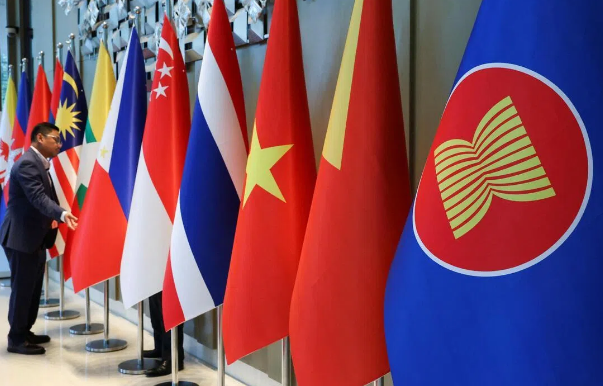
President Ferdinand Marcos Jr. recently urged ASEAN to activate the ASEAN Petroleum Security Agreement (APSA) as Middle East tensions unsettle energy markets. Marcos offered the Philippines as host of a regional emergency simulation and proposed studying joint oil stockpiling.
The ASEAN Fuel-Sharing Pact
APSA was designed to improve petroleum security during emergencies. In theory, it allows cooperation when one member faces shortages or supply disruptions threaten economic stability.
Fuel crises are never just about fuel. Diesel affects food delivery, farming, transport, and construction. LPG hits household budgets. Kerosene still matters in poorer communities. A fuel shock quickly becomes an inflation and livelihood crisis.
This explains why Manila declared a national energy emergency, warning of an “imminent danger of a critically low energy supply.”
The government is also strengthening domestic buffers. Marcos proposed raising petroleum reserves from 15 to 30 days and LPG stocks from seven to 21 days. He also pushed for a strategic petroleum reserve: a state-controlled supply for market failures.
The Philippines Has a Geography Problem
The country’s vulnerability is structural. As an archipelago, it depends on shipping routes, ports, and fragmented delivery chains. Disruptions in chokepoints like the Strait of Hormuz can ripple quickly into local prices.
A distant conflict can raise jeepney fares, fishing costs, and food prices. That is the logic of imported energy.
The government responded with subsidies, including ₱5,000 aid for transport workers and free bus rides in selected cities. These measures show how fast global shocks become local realities.
This is where APSA could help, but only to a point. A regional sharing system offers a limited safety net. It is not a shield.
Fuel-sharing requires actual surplus, transport capacity, legal coordination, and political trust. In a severe crisis, each country will still face pressure to prioritize its own citizens.
Untapped Gas and the LNG Question
There is also a domestic angle. In January, Marcos announced a gas discovery near the Malampaya field. The Malampaya East 1 reservoir may hold around 98 billion cubic feet, with early output at 60 million cubic feet per day.
That will not make the Philippines energy-independent. But it matters. Malampaya has supplied over 20 percent of Luzon’s electricity, and new supply could reduce import pressure and extend its lifespan.
LNG presents a dilemma. It can stabilize power supply, but it also creates new dependence on volatile global markets and costly infrastructure.
The balance is clear. Domestic gas helps. LNG fills gaps. Neither should delay investment in renewables, storage, and grid upgrades.
The Philippines needs a bridge, not a trap.
Energy Security Is Becoming Geopolitical
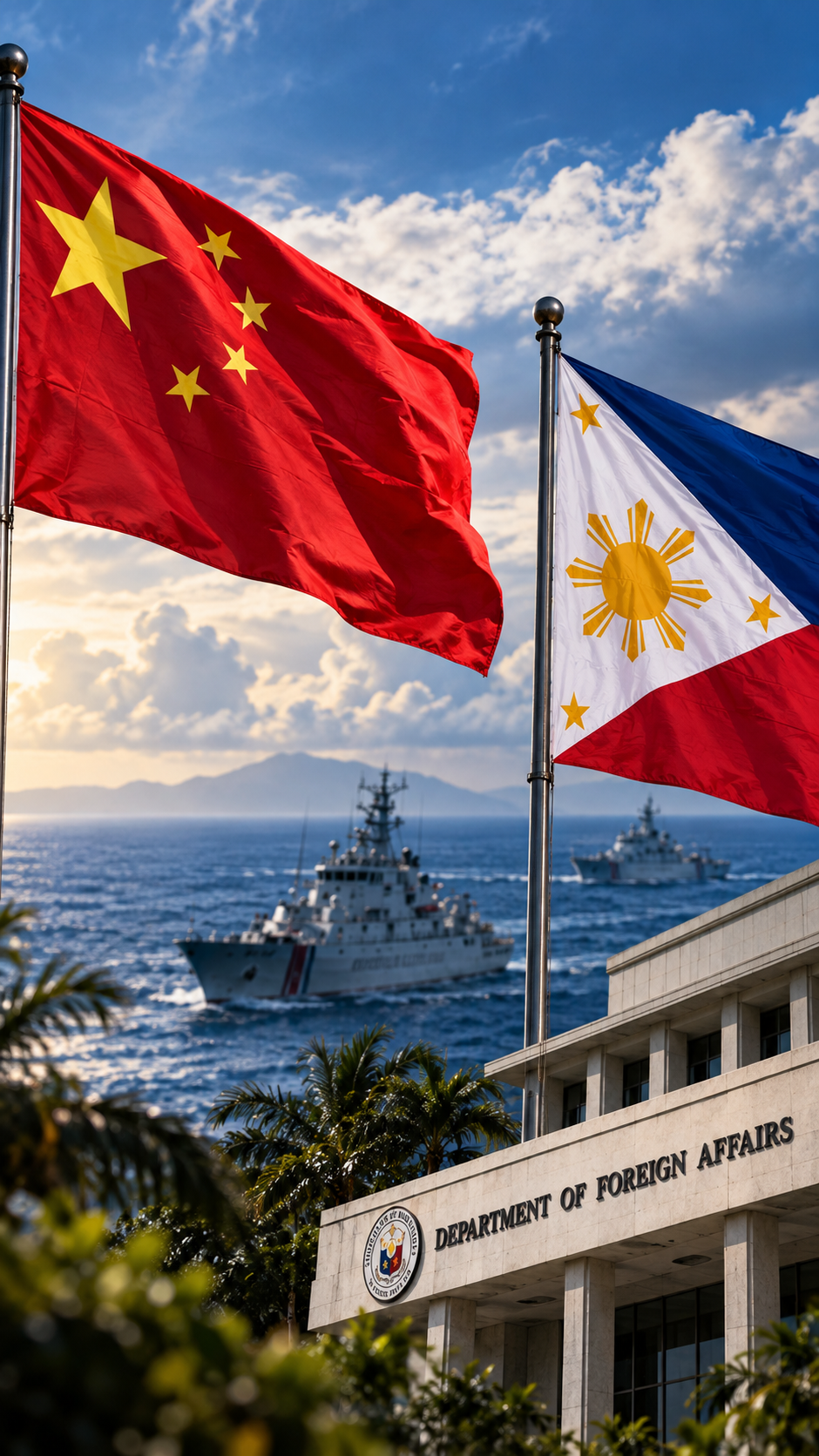
Recent Chinese state-linked commentary criticized Manila for seeking energy cooperation while deepening military ties with the United States. That framing suggests energy access can be tied to political alignment.
For the Philippines, already facing pressure in the West Philippine Sea, that is a warning. Dependence limits options.
This is where regional mechanisms gain strategic value. APSA will not replace global markets or stop price spikes. But it could provide limited breathing space during crises.
What Comes Next
The real question is execution. Analysts will watch whether ASEAN conducts real emergency drills, whether the Philippines builds a genuine strategic reserve, and whether diversification becomes policy rather than crisis response.
The deeper issue remains unresolved. Fuel-sharing can ease emergencies, but it does not remove structural dependence.
Renewables will not solve everything overnight. But local energy is harder to disrupt, blockade, or politicize.
The ASEAN fuel-sharing pact is worth testing. But if it becomes a substitute for reform, it will only delay the next crisis.
The Philippines needs buffers, partners, and diversification. It needs domestic energy where viable and a credible reserve system.
Above all, it needs choices.
Because the next oil shock will not wait.