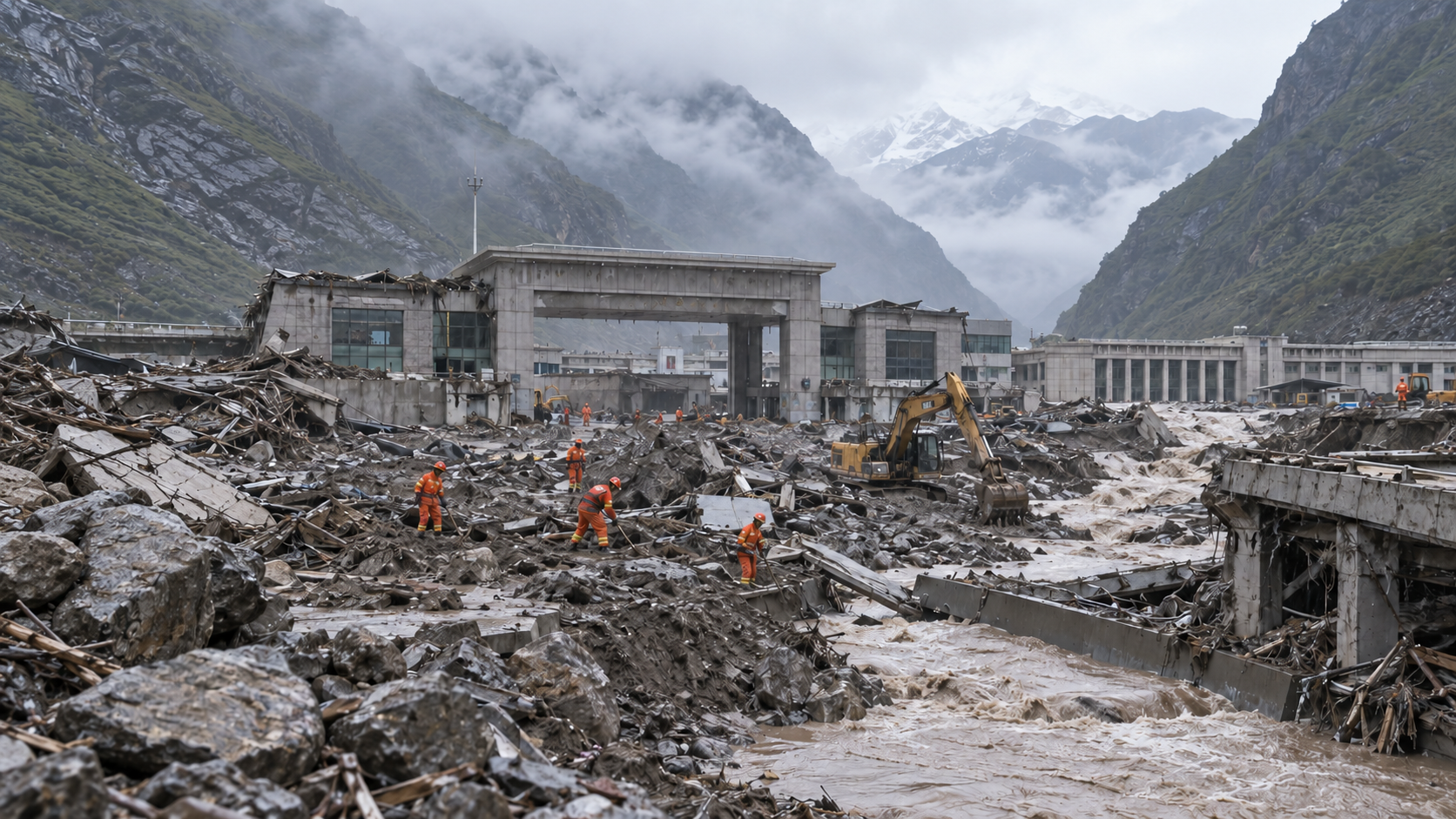
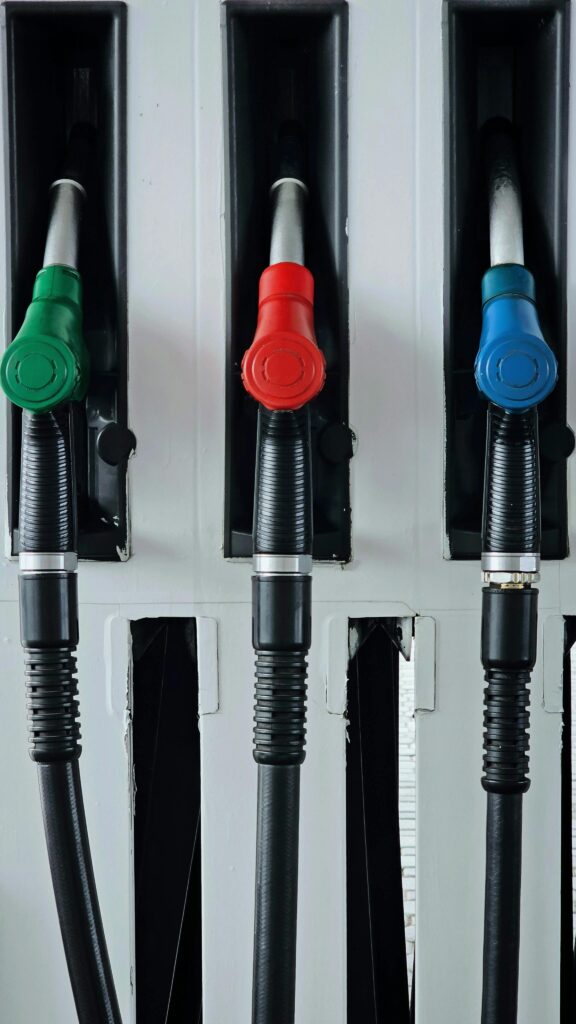
The war in the Middle East is triggering a global energy crisis. With oil prices surging and supply routes disrupted, the Philippine government moved to cut some fuel taxes while leaving others untouched.
A global energy crisis driven by supply disruption
The war in Iran has severely disrupted global oil flows. Iranian forces have effectively closed the Strait of Hormuz, a chokepoint through which roughly a fifth of the world’s oil supply normally passes. Attempts to de-escalate have stalled after talks in Islamabad failed, while the United States is enforcing a blockade on Iranian ports.
Benchmark crude prices surged past $100 per barrel in early April, compared to levels closer to $75–80 earlier this year. For import-dependent countries like the Philippines, this translates into both higher prices and growing uncertainty over supply.
The Philippine response: targeted tax intervention
Congress passed Republic Act No. 12316 in March, allowing President Ferdinand Marcos Jr. to suspend or reduce excise taxes when Dubai crude averages at least $80 per barrel over a month.
On April 13, the government suspended excise taxes on LPG and kerosene, cutting prices by about ₱3.36 per kilogram for LPG and ₱5.60 per liter for kerosene. The goal of these reductions is to ease pressure on household expenses.
These tax cuts do not apply to diesel and gasoline, despite being the main fuels for transport.
The logic behind selective fuel taxes
First, LPG and kerosene are primarily used for cooking, especially by lower-income households. Cutting taxes here delivers immediate and visible relief where it is most needed.
Second, diesel and gasoline prices are driven largely by global markets. Officials argue that suspending excise taxes on these fuels would have only a marginal effect on pump prices, as international price swings would quickly offset any reduction.
Third, there is a supply consideration. Lowering taxes too broadly could squeeze importer margins at a time when global supply is already tight. In a worst-case scenario, that could discourage shipments and lead to shortages.
Other emergency measures
Beyond tax policy, the government has rolled out broader emergency measures, including cash aid for transport workers, a four-day workweek for some public employees.
There are also ongoing efforts to secure alternative oil supplies, including seeking a U.S. waiver to continue importing Russian oil.
The fuel tax cuts policy has also drawn criticism. Some lawmakers are pushing to cut the 12 percent value-added tax on fuel, arguing it would provide broader relief. The administration has resisted, saying VAT revenues are necessary to fund subsidies and stabilize the wider economy.