Recent incidents near Bajo de Masinloc show how West Philippine Sea tensions are evolving. There has been no exchange of fire, no collision, no blockade. Instead, there has been signal interference, repeated radio challenges, symbolic messaging, and parallel diplomatic engagement. The pattern suggests sustained pressure rather than open confrontation.
The Philippine Coast Guard reported suspected radio jamming during routine patrol operations in the area. Chinese vessels also issued repeated radio challenges to Philippine personnel navigating nearby waters. In a separate episode, Philippine officials traveling in disputed areas reportedly received automatic location-based text messages on their mobile phones stating “Welcome to China.” The message appeared to be digitally triggered, reinforcing Beijing’s claim through electronic means rather than physical force.
Electronic Interference at Bajo de Masinloc
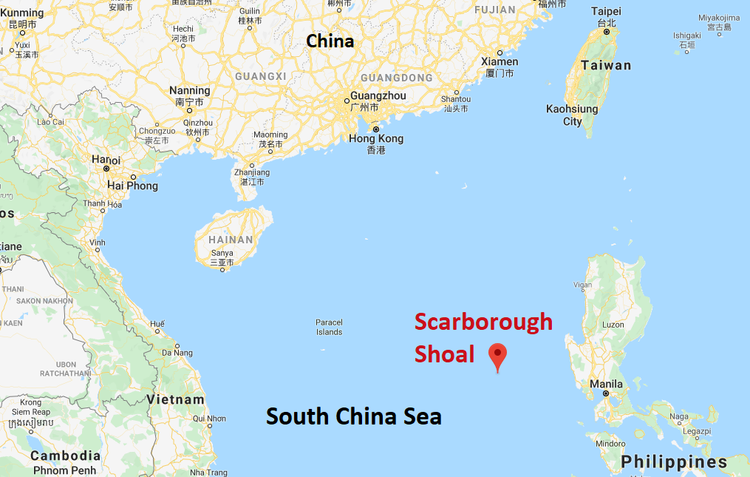
Bajo de Masinloc (internationally known as Scarborough Shoal) lies within the Philippines’ 200-nautical-mile exclusive economic zone under UNCLOS. The 2016 arbitral ruling invalidated China’s nine-dash line claims and affirmed that such expansive assertions have no legal basis under international law.
Against that backdrop, incidents like radio jamming carry strategic meaning. Electronic interference and persistent radio challenges fall within what analysts describe as “gray zone tactics“. They disrupt operations without crossing the threshold of armed conflict. They create friction while avoiding escalation.
Radio jamming interferes with communication and complicates navigation. Even when limited in scope, it signals control. Over time, repeated disruptions can normalize foreign presence and portray lawful Philippine patrols as intrusions.
Narrative Pressure and Diplomatic Signaling
Philippine Coast Guard spokesperson Jay Tarriela has rejected claims that the situation is spiraling toward war. He insisted that the “threat of war” narrative largely comes from pro-China trolls amplifying alarmist messaging online. His argument is strategic: panic benefits those who want Manila to hesitate.
At the same time, Raffy Tulfo recently met with the Chinese envoy and called for “more meetings, less word war.” Diplomacy remains necessary, but engagement in contested waters is unavoidable. Dialogue unfolds alongside continued pressure at sea, not in place of it.
This dual track defines the current phase: electronic disruption, symbolic digital messaging, and steady maritime presence reinforce Beijing’s claims without inviting direct military confrontation.
Regional discussions also continue under the framework of South China Sea Code of Conduct negotiations. Philippine officials have emphasized that any Code of Conduct must not undermine UNCLOS or weaken the 2016 arbitral ruling. If negotiations dilute established legal rights, they risk legitimizing unlawful claims instead of stabilizing the region.
Under international law, areas of the West Philippine Sea within the Philippines’ exclusive economic zone remain lawful maritime entitlements, and China’s nine-dash line has no standing under UNCLOS. That legal reality has not changed.