After months of procedural wrangling, the witnesses in Duterte’s trial have moved to the center of proceedings at the International Criminal Court, marking the clearest sign yet that the case is advancing despite repeated defense challenges. The latest developments in The Hague suggest a shift away from debates over detention and medical fitness toward the substance of the charges tied to the former president’s bloody anti-drug campaign.
A renewed focus on witnesses in Duterte trial
Earlier this month, the Office of the Prosecutor at the International Criminal Court publicly called for additional witnesses to come forward, including members of the Philippine National Police involved in drug war operations. The appeal, published through an ICC microsite, drew immediate criticism from Duterte allies, who mocked it as “crowdsourcing” and claimed it showed weakness in the prosecution’s case.
Lawyer Kristina Conti, who assists families of drug war victims, rejected that narrative. Speaking to local media, she said the call for witnesses reflects standard prosecutorial practice and thorough case-building, not a lack of evidence. According to Conti, thousands of evidentiary items have already been exchanged between parties, and around 100 potential witnesses have been identified, including law enforcement personnel whose testimony could help establish whether the killings were systematic.
Defense counsel Nicholas Kaufman acknowledged that prosecutors are obliged to continue investigating, but argued that public appeals risk upsetting the balance between prosecution and defense. The ICC, however, has made clear that the Office of the Prosecutor has the right to publish information and seek cooperation as part of its mandate.
Appeals blocked, detention stands
At the same time, judges at the ICC’s Pre-Trial Chamber I have rejected several attempts by Duterte’s legal team to slow the case through procedural appeals. Most recently, the chamber denied a request to appeal its ruling on the disclosure of communications between the court’s Registry and a panel of medical experts tasked with assessing Duterte’s fitness to stand trial.
The judges ruled that the defense’s objections amounted to disagreement rather than an appealable issue under the Rome Statute. They also dismissed efforts to secure additional expert reports related to detention risk factors, reaffirming that Duterte must remain in custody at the Scheveningen detention center in the Netherlands.
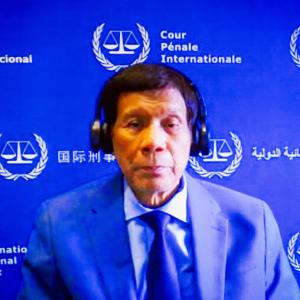
Rodrigo Duterte, now 80, has argued that cognitive decline should weigh in favor of interim release. Prosecutors have countered that he is exaggerating his condition to delay proceedings. For now, the court has sided firmly with keeping him detained while it periodically reviews his status.
From procedure to substance
These rulings narrow the defense’s room for maneuver and underline a broader reality: the case is inching closer to its core questions. The confirmation of charges hearing, previously postponed due to health concerns, remains unscheduled, but the steady accumulation of witness testimony suggests prosecutors are preparing for that next phase.
For the Philippines, the implications go beyond one man’s legal fate. The trial tests whether an international court can meaningfully address alleged crimes committed by a sitting head of state, even after a country has withdrawn from the ICC. It also forces a national reckoning with a drug war that left thousands dead and divided public opinion.