In late March 2026, the Philippines and China resumed formal discussions under the Bilateral Consultation Mechanism (BCM), with energy cooperation explicitly on the table. The renewed talks come at a time of rising energy prices, reopening deeply contested policy questions.
The importance of offshore gas for the Philippines’ energy security
Domestic gas output, long anchored by Malampaya, is under strain, and the country must look for new sources to avoid deeper reliance on imports.
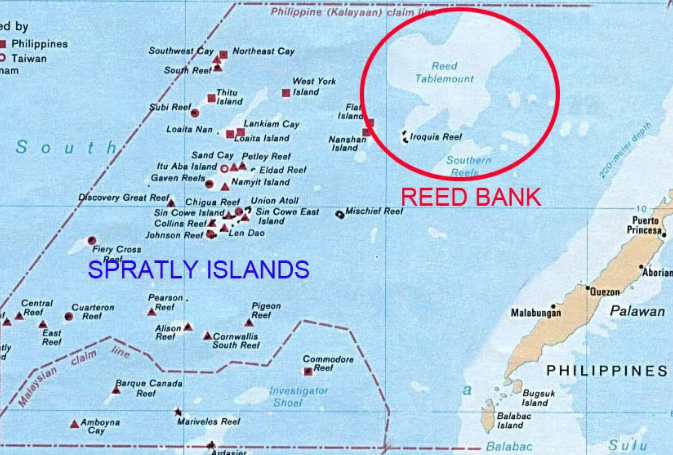
That is why attention continues to focus on the West Philippine Sea, particularly Reed Bank. Estimates from the Department of Energy suggest that the area could hold significant undiscovered oil and natural gas resources. If developed, these reserves could provide a meaningful buffer for the country’s power sector.
But exploration has been stalled for years. The issue is not capability alone, but security. Reed Bank lies within the Philippines’ exclusive economic zone, yet remains subject to overlapping claims and persistent tensions with China. As a result, energy potential has remained largely untapped, turning a resource advantage into a strategic dilemma.
Joint exploration returns to the table under Marcos Jr.
Under former president Rodrigo Duterte, Manila pursued joint oil and gas discussions with Beijing, including a memorandum of understanding signed in 2018. Those efforts eventually collapsed in 2022, largely due to legal and sovereignty concerns that could not be reconciled.
Recent developments suggest a cautious revival. During the March 27–28 BCM talks in Fujian, Philippine and Chinese officials discussed possible areas of cooperation, including energy security. President Ferdinand Marcos Jr. has indicated openness to restarting discussions, but with repeated assurances that Philippine rights will be protected.
Domestically, however, the issue remains divisive. Some policymakers, including Senator Panfilo Lacson, have expressed support, arguing that offshore resources should not be left undeveloped. Others remain skeptical, pointing to past failures and unresolved legal constraints.
Former Supreme Court justice Antonio Carpio has warned that joint development could function as a “trap,” reflecting China’s own interpretation that such arrangements imply Chinese sovereign rights over resources.
The strategic risks of joint exploration with China
The deeper concern is not technical, but strategic. Any form of joint activity in disputed waters risks reshaping the political landscape over time.
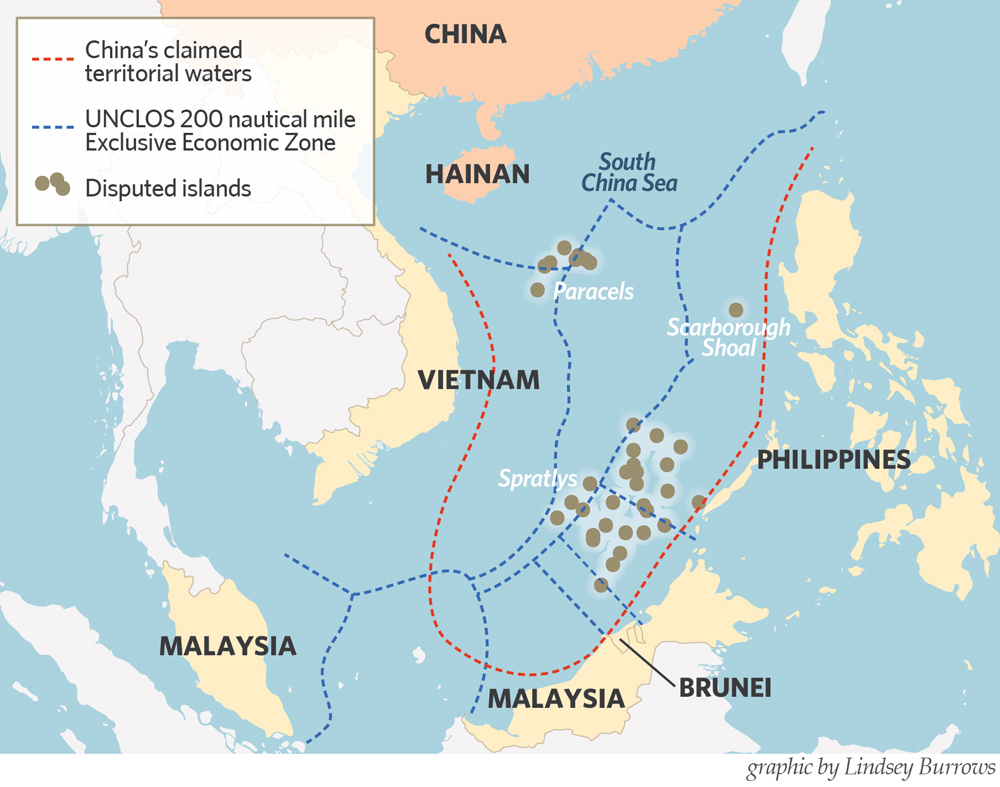
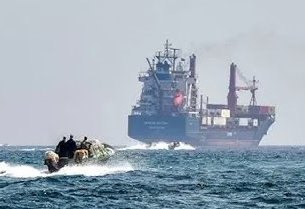
China’s claims in the West Philippine Sea (based on the so-called nine-dash line) were rejected by an international arbitral ruling in 2016. Despite this, China continues to assert expansive claims in the West Philippine Sea. Chinese vessels continue to operate aggressively in the area, using coast guard ships and maritime militia to assert control.
Joint exploration is bound to legitimize China’s presence in waters that are, under international law, part of Philippines’ exclusive economic zone.