The elections in Myanmar are being sold by the generals as a reset button. In reality, they look more like a pressure valve: a tightly managed process meant to reduce tension, not return power. That places ASEAN in an uncomfortable position and puts the Philippines, as current chair, squarely under scrutiny.
Myanmar’s political breakdown has a clear starting point. In February 2021, the military overturned the results of the previous national vote and detained civilian leaders, including Aung San Suu Kyi. The armed forces claimed massive voter fraud by her National League for Democracy, allegations that international election observers said were unfounded. The coup triggered widespread protests, a violent crackdown, and eventually a civil war that now spans much of the country. Millions have been displaced, and the humanitarian toll continues to rise.
Elections in Myanmar and the “civilian proxy” problem
The current national ballot has been rolled out in phases and under rules written by the same military leadership that seized power. The National League for Democracy has been dissolved, and other major opposition forces are not contesting the polls. That absence reshapes the political field from the outset.
Early official results show strong performances by parties aligned with the armed forces. The junta has framed this outcome as a popular mandate and a pathway to stability. Critics, including several Western governments, argue that the process is designed to preserve military dominance behind civilian-looking institutions. Reports of low participation and fear-driven voting have followed the elections in multiple areas. ASEAN has chosen not to certify the results and has declined to deploy election observers.
Power dynamics inside the country also remain unchanged. Senior General Min Aung Hlaing continues to dominate the system despite not appearing on the ballot. His position has been reinforced through patronage networks, elite bargains within the officer corps, and targeted pressure on rivals, particularly after battlefield setbacks that weakened the military’s standing.
The Philippine angle: engagement without endorsement
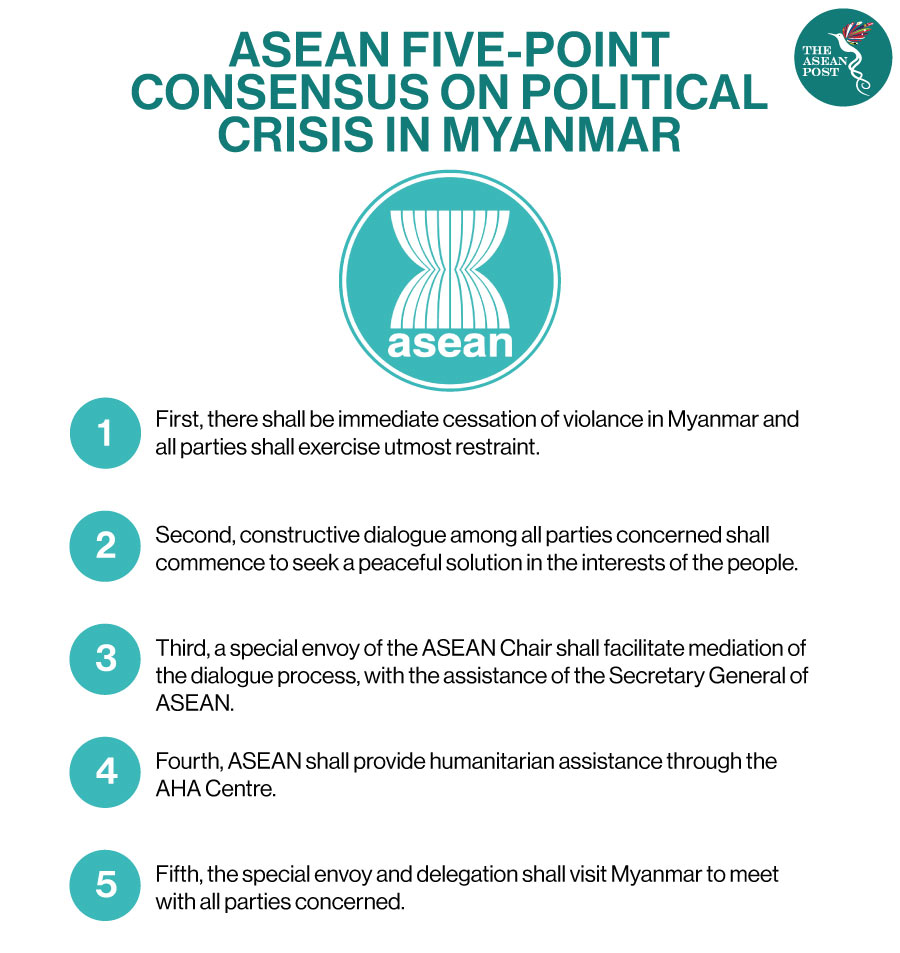
ASEAN’s Five-Point Consensus, agreed in 2021, called for an end to violence, inclusive dialogue, and expanded humanitarian access. Years later, those goals remain largely unmet. Fighting continues, and political talks have barely moved.
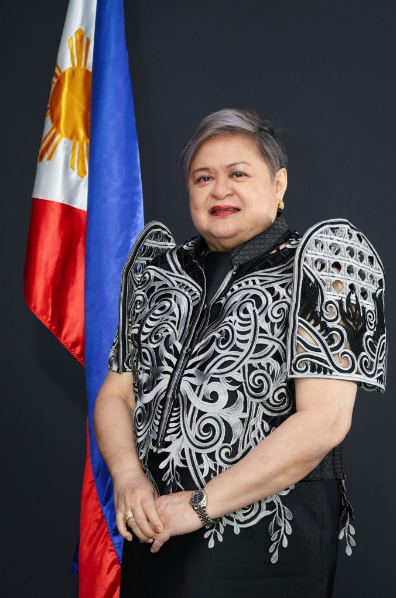
This is where the Philippine approach stands out. Manila has stated clearly that it does not endorse the elections in Myanmar. At the same time, it has avoided complete disengagement. Foreign Secretary Theresa Lazaro, acting as ASEAN’s special envoy, has pushed for broader engagement that goes beyond the junta’s immediate circle.
Under Philippine leadership, ASEAN convened stakeholder meetings in Tagaytay that focused on de-escalation, humanitarian delivery, and political dialogue. These meetings included groups opposed to military rule, as well as representatives linked to Myanmar’s shadow National Unity Government. At least one ethnic armed organization publicly described the talks as a constructive first step.
For the Philippines, this balancing act is deliberate. Ignoring Myanmar risks making ASEAN irrelevant as a regional institution. Embracing a tightly controlled vote risks legitimizing military rule. Manila’s current line aims to keep dialogue open while withholding political recognition.
Expectations, however, remain modest. ASEAN lacks enforcement tools, and its members differ sharply on how far to pressure the junta. The Philippines cannot impose outcomes, but it can prevent the crisis from being reduced to a symbolic election and a collective shrug. Whether this approach leads to reduced violence or a genuine political opening remains uncertain, but it keeps ASEAN engaged where disengagement has already failed.