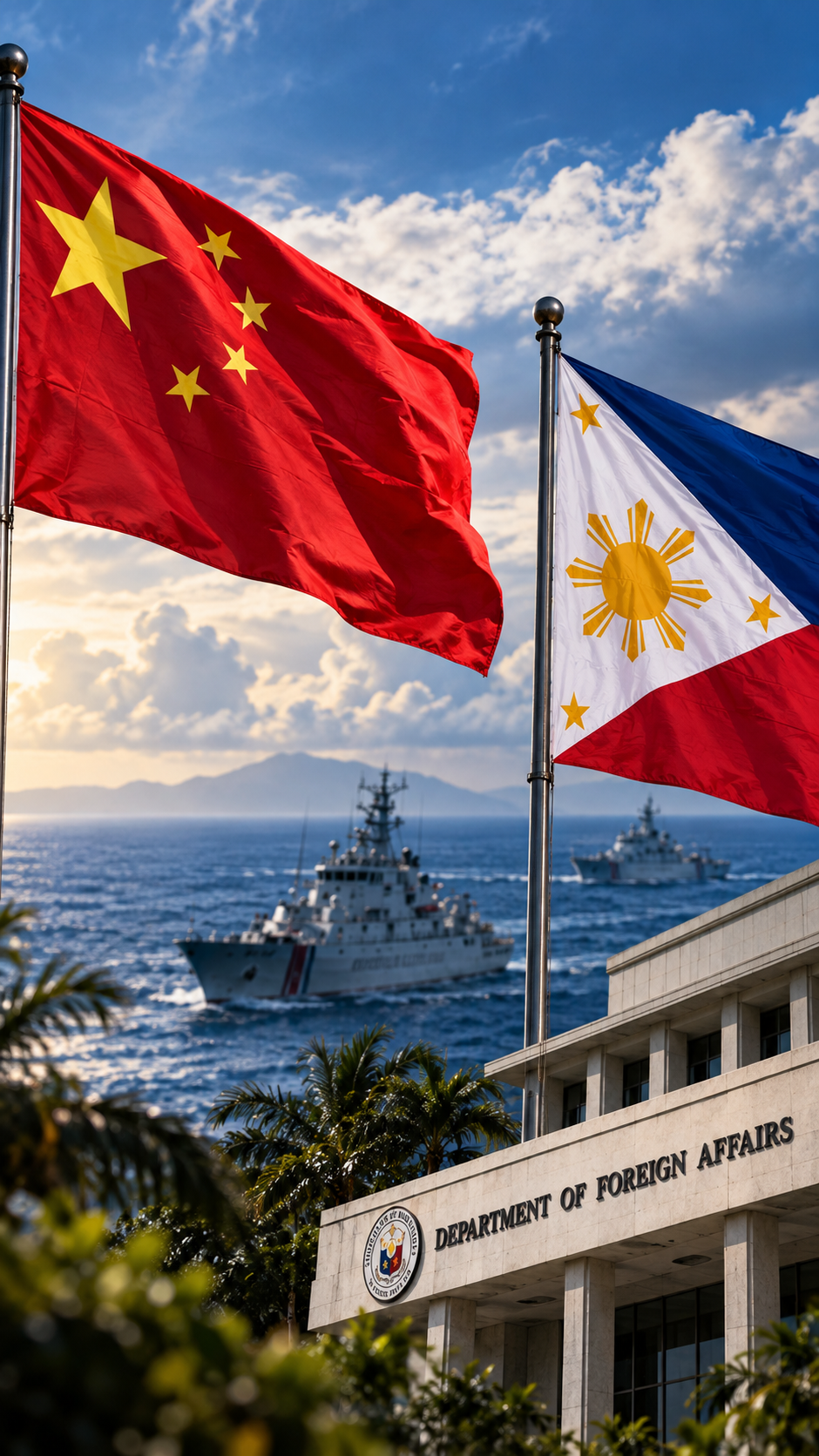
The discovery of cyanide in bottles seized from Chinese boats operating near Ayungin Shoal has added a new and troubling dimension to tensions in the West Philippine Sea. While the issue sits within a long-running maritime dispute, the evidence points just as strongly to something else: the persistence of illegal fishing practices in one of the region’s most sensitive marine environments.
Philippine authorities, after more than a year of monitoring and laboratory testing, confirmed that the bottles recovered from these vessels contained cyanide. The substance was seized from small boats deployed from larger vessels operating near the BRP Sierra Madre, the grounded warship that anchors Manila’s presence in the area. China has dismissed the findings as a fabrication, but the scientific results have raised serious concerns about what is happening beneath the surface.
Cyanide fishing and the destruction of coral reefs
Cyanide fishing is one of the most damaging practices in the marine world. Fishermen use the chemical to stun live fish, making them easier to capture. What it leaves behind is far more destructive.
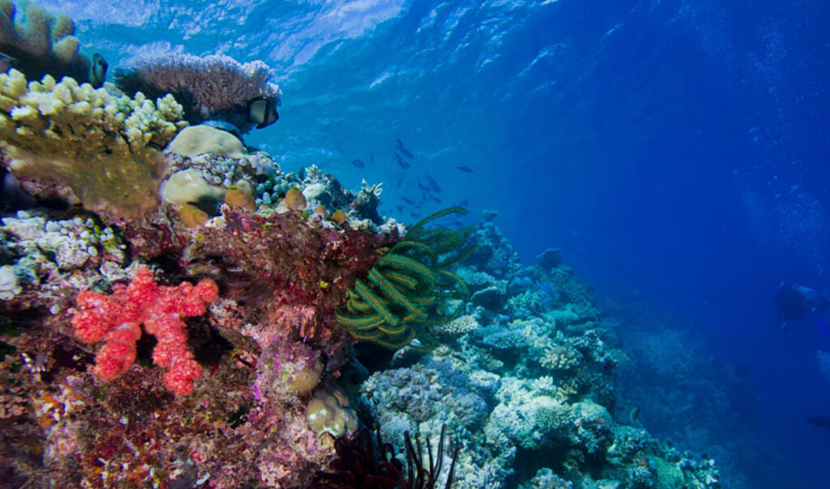
Coral reefs, built by tiny organisms called polyps, are extremely sensitive to toxins. Cyanide can kill these organisms almost instantly, leaving behind bleached and lifeless structures. Recovery, if it happens at all, can take decades.
Coral reefs are not just ecological features: they are the foundation of marine life. Around a quarter of all ocean species depend on reefs at some stage of their life cycle. They also act as natural barriers that protect coastlines from waves and storms, and support fisheries that millions of Filipinos rely on.
At Ayungin Shoal, Philippine personnel have reported visible coral damage, with officials warning that the effects may be long-term and cumulative. The presence of cyanide-containing bottles, combined with observations of illegal fishing gear such as fine-meshed nets, suggests that destructive methods may have been used repeatedly in the area.
Illegal fishing in a contested and militarized zone
Ayungin Shoal is not an isolated fishing ground: it is a flashpoint in a broader geopolitical struggle.
The boats involved are described as operating in coordination with larger “mothership” vessels, a pattern often associated with organized fishing fleets or maritime militia. This does not by itself prove direct state direction, and it remains possible that some actors are operating independently. But the scale, coordination, and persistence of the activity make it difficult to dismiss as purely incidental.
At the same time, the environmental consequences extend beyond the dispute itself. The West Philippine Sea forms part of a wider marine ecosystem that supports fisheries across Southeast Asia. Damage to reefs in one area can ripple outward, affecting biodiversity, fish stocks, and livelihoods far beyond the immediate zone of conflict.
A question of responsibility, not just sovereignty
Powers rise and fall, contracts are signed and broken, and borders might shift over time. But the natural world does not operate on political timelines. If the sea becomes another casualty of geopolitical rivalry, the consequences will outlast any dispute over maps or maritime boundaries.
A damaged coral reef can take decades to recover. Some ecosystems, once destroyed, never fully return. The loss is not just ecological: it affects food security, coastal protection, and economic stability for entire communities.
Territorial conflicts will eventually find resolution, whether through negotiation or confrontation. But poisoned waters and collapsed ecosystems leave scars that endure far longer.